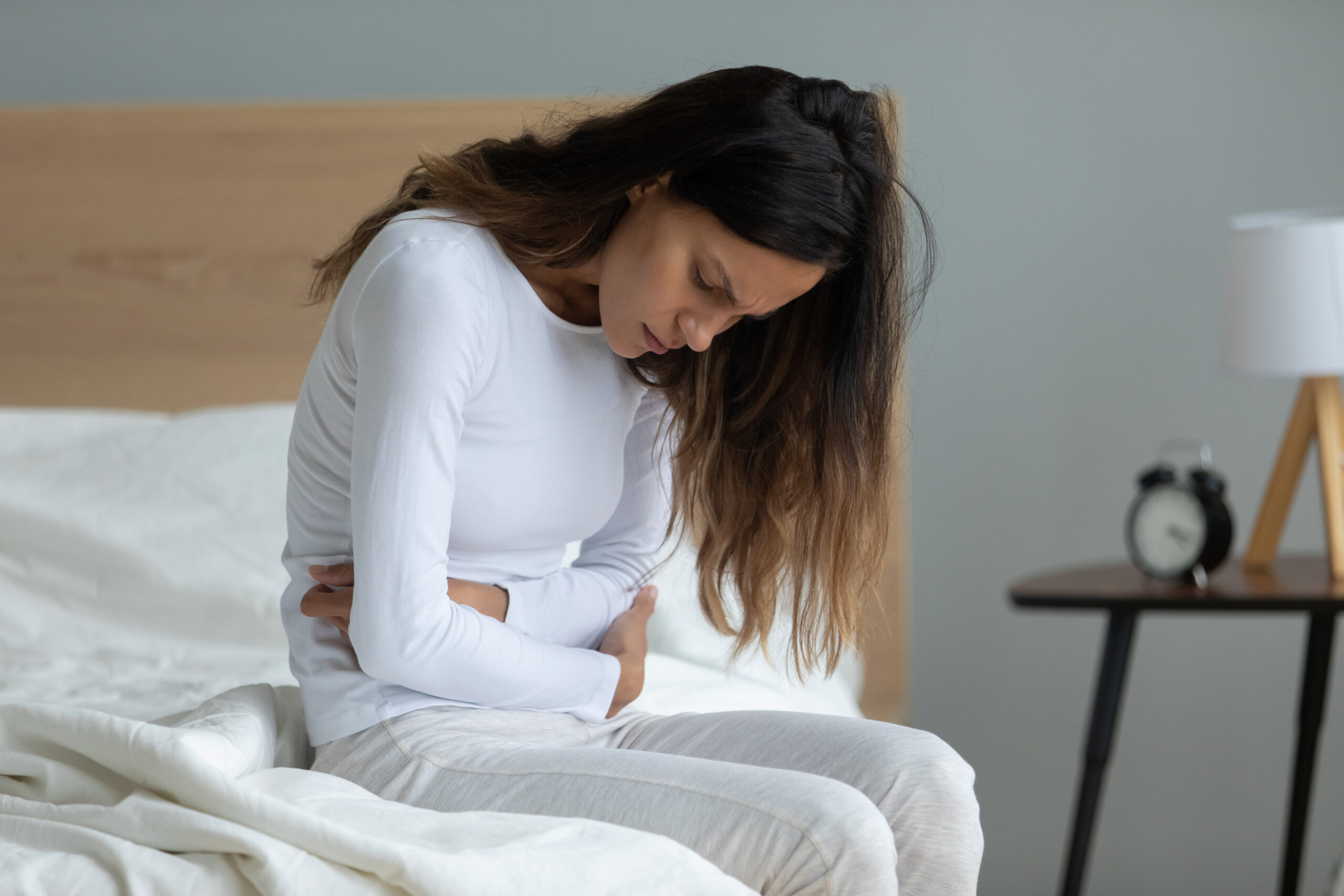
Menstrual cycles are a natural part of a woman’s life, but not all cycles are smooth or predictable. When your period becomes irregular, overly painful, or presents other unusual symptoms, it could be signaling an underlying health issue. Understanding menstrual disorders and their possible causes can help you take the steps needed to regain control of your health.
If you’re facing abnormal menstrual symptoms, it’s important to consult a professional who can provide personalized care. At Doral Health & Wellness Gynecology, our experienced team is here to diagnose and treat menstrual disorders with expert precision. Whether you’re looking for a Gynecology Doctor Near Me or a trusted Women’s Health Clinic, contact us for compassionate care tailored to your needs.
What Are Menstrual Disorders?
Menstrual disorders refer to a group of conditions that interfere with the natural menstrual cycle in women. While occasional irregularities are normal, persistent symptoms may point to a variety of underlying health concerns. Common menstrual disorders include the following:
- Amenorrhea
Amenorrhea is the absence of menstruation. There are two types:
- Primary Amenorrhea – When menstruation hasn’t begun by age 15.
- Secondary Amenorrhea – When a woman who previously had regular periods misses three or more cycles in a row.
This condition can stem from factors such as hormonal imbalances, excessive exercise, stress, or underlying medical issues like polycystic ovary syndrome (PCOS).
- Dysmenorrhea
Marked by severe pain during menstruation, dysmenorrhea can significantly disrupt daily life. While mild discomfort is common during periods, intense pain may indicate conditions such as endometriosis or uterine fibroids.
- Menorrhagia
Menorrhagia refers to extremely heavy or prolonged periods that can cause anemia and fatigue. This condition may arise due to hormonal imbalances, fibroids, or certain medications.
- Premenstrual Syndrome (PMS) and Premenstrual Dysphoric Disorder (PMDD)
PMS causes symptoms like mood swings, bloating, and irritability before menstruation. PMDD is a more severe form that can lead to extreme emotional distress, significantly impacting mental health and daily functioning.
- Irregular Cycles
Cycles that vary significantly in length or frequency may indicate underlying hormonal issues or thyroid problems, and they merit further investigation.
Symptoms That Shouldn’t Be Ignored
While every woman’s cycle is unique, there are certain symptoms that point to potential problems. Reach out to your gynecologist if you experience any of the following:
- Absent periods for several months (and you’re not pregnant or menopausal).
- Periods lasting longer than seven days.
- Heavy bleeding that soaks through a pad or tampon every hour for several hours.
- Severe pain that disrupts daily life.
- Unusual spotting between periods.
- Severe mood swings, anxiety, or depression around your menstrual cycle.
If left untreated, menstrual disorders can lead to complications such as infertility, weakened bones, or chronic pelvic pain. That’s why it’s essential to seek care sooner rather than later.
Common Causes of Menstrual Disorders
While symptoms may vary, menstrual disorders often arise from similar root causes. Understanding these can help you take preventive measures or explore treatment options with your doctor.
- Hormonal Imbalances – Your hormones regulate ovulation and menstruation, so imbalances can lead to irregularities. Conditions like PCOS and thyroid disorders frequently affect hormone levels.
- Medical Conditions – Endometriosis, uterine fibroids, and pelvic inflammatory disease (PID) are common culprits behind painful or heavy periods.
- Stress and Lifestyle Factors – Excessive stress, significant weight loss, or intense physical training can all disrupt your menstrual cycle.
- Medications and Birth Control – Certain medications or contraceptive methods may influence your cycle, leading to heavy or irregular periods.
- Age and Life Stages – Teenagers and women approaching menopause often experience irregular cycles due to natural hormonal shifts.
Treatment Options for Menstrual Disorders
The good news is that menstrual disorders can often be managed or resolved with appropriate intervention. Your treatment plan will depend on your diagnosis and may include the following options:
- Medication – Pain relievers, hormonal contraceptives, or medication to address underlying conditions like thyroid problems may help regulate cycles or relieve discomfort.
- Lifestyle Changes – Stress management techniques, regular exercise, and a healthy diet can positively impact hormonal balance and menstrual health.
- Surgical Options – For conditions like fibroids or endometriosis, minimally invasive surgery may be recommended to alleviate symptoms.
- Therapies for Mental Health – For PMDD or severe PMS, a combination of counseling and medication can provide significant relief.
When Is It Time to See a Doctor?
If menstrual symptoms are affecting your quality of life or raising concerns about your overall health, it’s time to consult a professional. Don’t hesitate to seek guidance from a trusted Women’s Health Clinic where experts can provide a thorough evaluation and tailored treatment options.
Discover Relief with Doral Health & Wellness Gynecology
Your menstrual health plays a critical role in your overall well-being, and expert care can make all the difference. At Doral Health & Wellness Gynecology, we’re committed to helping women manage and overcome menstrual disorders with compassionate, personalized care.
Take Control of Your Health Today
If you’re experiencing irregular periods, excessive pain, or any other menstrual concerns, reach out to our team today. From advanced diagnostic testing to customized treatment plans, we’re here to guide you through every step of the process.
Contact us at 1-718-365-2555 or visit us at 1797 Pitkin Avenue, Brooklyn, New York 11212 to schedule an appointment with a Gynecology Doctor Near Me. At Doral Health & Wellness Gynecology, your comfort, health, and peace of mind are our top priorities. Stop waiting, and start feeling better today.