A high cholesterol reading can feel frightening. You may worry about your own heart, or about a parent or spouse who just got the news from their doctor. That fear is real, and it deserves honest answers.
The good news is that small, steady changes can make a genuine difference. Vitamins, supplements, and healthy eating all play a role in keeping cholesterol in check. None of them replace your doctor’s guidance, but together they support a stronger, healthier heart.
This guide breaks down what actually works, in plain language, so you can help yourself or someone you love feel more in control.
How Vitamins and Supplements Support Heart Health
Cholesterol builds up quietly, often without symptoms. That silence is what makes it so worrying.
The right nutrients can help your body manage cholesterol more effectively. Here is where the evidence points.
Vitamins Worth Knowing About
Certain vitamins support the systems that keep cholesterol balanced.
- Niacin (Vitamin B3): May help raise “good” HDL cholesterol. Because high doses carry risks, always use it under medical supervision.
- Vitamin D: Low levels are linked to poorer heart health. A simple blood test can tell you if you need more.
- Vitamin E: An antioxidant that supports blood vessel health when part of a balanced diet.
If you are unsure which vitamins fit your needs, our primary care team can review your history and test results with you.
Supplements With Real Evidence
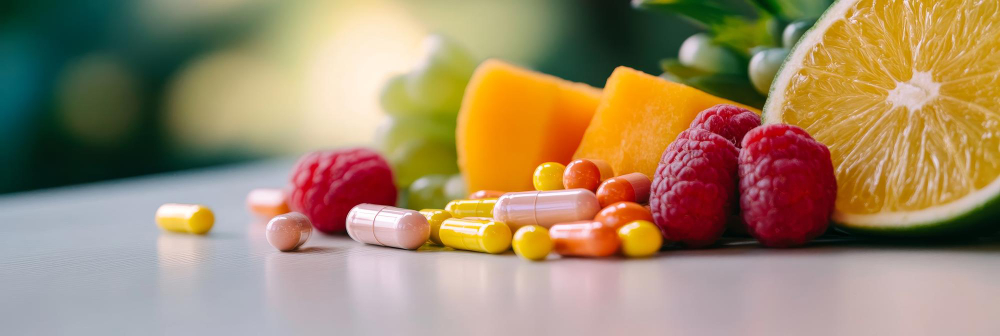
Some supplements have earned their place through research.
- Plant sterols and stanols: These block cholesterol absorption and can lower LDL by up to 10%.
- Omega-3 fatty acids: Found in fish oil, they support healthy triglyceride levels.
- Soluble fiber (psyllium): Helps carry cholesterol out of the body.
Supplements work best alongside real food, not in place of it. For a deeper look at heart-friendly nutrition, our article on heart-healthy eating habits offers practical steps you can start today.
Healthy Eating: The Foundation That Ties It Together
Pills and capsules can only do so much. What you put on your plate matters most.
Healthy eating gives your body the tools to manage cholesterol naturally. And it is something the whole family can share in.
Simple Food Swaps That Help
- Choose oats, beans, and lentils for their soluble fiber.
- Swap butter for olive oil where you can.
- Add fatty fish like salmon twice a week.
- Fill half your plate with vegetables and fruit.
These changes feel small, but they add up over time.
Building Habits That Last
Lasting change rarely happens overnight. Start with one swap this week, then build from there.
For older loved ones or those recovering at home, preparing these meals can feel like a lot. Support with shopping, cooking, or a scheduled check-in can ease that burden. If you need help, you can always schedule a visit with a caring professional.
Bringing It All Together
Managing cholesterol is not about one magic fix. It is about combining vitamins, supplements, and healthy eating into a routine that fits your life.
You do not have to figure this out alone. Our nutritional team helps to build personalized care plans that meet you where you are, whether that means in-home visits, guidance for a recovering parent, or simple everyday support.
Take the next step toward a healthier heart today. Reach out to us by calling us at +1-718-367-2555 or visit us at 1797 Pitkin Avenue, Brooklyn, NY 11212 to schedule an appointment, and let our expert, compassionate team walk beside you.