Many men go years without giving their prostate a second thought. Then a change happens — a weaker urine stream, more frequent trips to the bathroom, or a comment from a doctor at a routine visit. Suddenly, one question surfaces: what does the prostate do, and why does it matter so much?
The prostate is a small gland with a big job. It sits at the center of both your urinary and reproductive health. Understanding what it does can help you spot problems early and take action before symptoms disrupt your life.
This guide breaks down the prostate’s anatomy, its main functions, and the warning signs worth watching. You will also learn when it is time to reach out for expert care.
If you are noticing changes in your urinary or sexual health, you do not have to figure it out alone. Doral Health & Wellness Urology offers experienced, compassionate care to help you understand your symptoms and find relief. Our specialists take the time to answer your questions and build a plan that fits your needs. Reach out today to take the first step toward peace of mind.
What Does the Prostate Do in the Body?
The worry that comes with prostate problems is real. The good news is that the prostate has a clear, understandable role — and knowing it makes symptoms far less frightening.
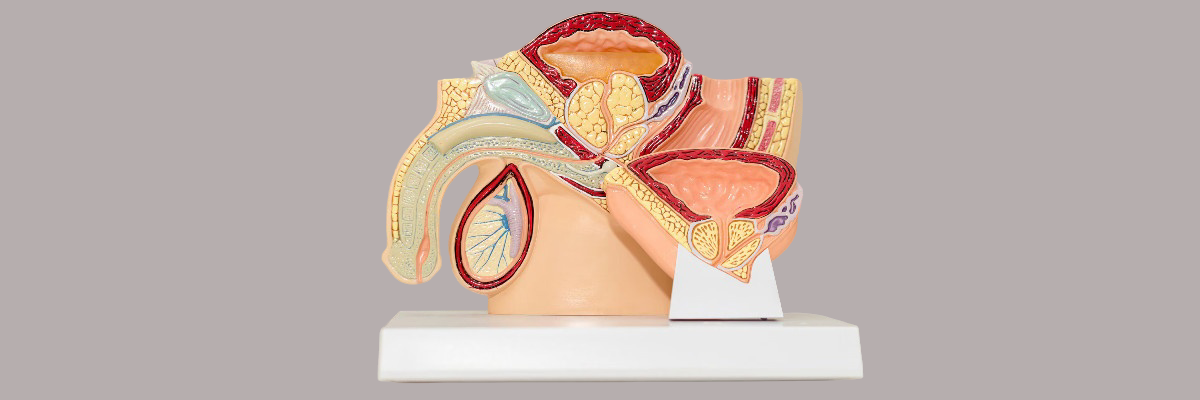
The prostate is a gland about the size of a walnut. It sits just below the bladder and in front of the rectum. The urethra, the tube that carries urine and semen out of the body, runs directly through it.
Its main job is to support male fertility. So what does the prostate do day to day? Here are its core functions:
- Produces prostate fluid – The gland makes a milky, alkaline fluid that mixes with sperm to create semen.
- Protects sperm – The alkaline fluid helps sperm survive the acidic environment of the vagina, improving the chance of fertilization.
- Aids ejaculation – Muscles in the prostate contract to push semen out during ejaculation.
- Supports urine control – The prostate surrounds the urethra and works with nearby muscles to help manage urine flow.
In short, the prostate keeps two vital systems — reproduction and urination — working together smoothly.
Prostate Anatomy Explained
Understanding where the prostate sits helps explain why problems there affect so many parts of daily life.
The prostate is not one solid block. It is divided into zones, and each one plays a role in how prostate conditions develop.
The Zones of the Prostate
- Peripheral zone – The largest area, located toward the back. Most prostate cancers begin here.
- Central zone – Surrounds the ejaculatory ducts and sits deeper in the gland.
- Transition zone – Wraps around the urethra. This zone tends to grow with age, which can squeeze the urethra and cause urinary symptoms.
Because the urethra passes through the prostate, even small changes in size can affect how you urinate. That connection is why urinary symptoms are often the first clue that something has changed.
Common Prostate Problems to Watch For
A change in your bathroom habits can feel unsettling. It helps to know that most prostate issues are common, treatable, and rarely a sign of the worst.
Three conditions account for most prostate concerns:
- Benign Prostatic Hyperplasia (BPH) – A non-cancerous enlargement of the prostate that becomes more common with age. It can cause weak flow, dribbling, and frequent urination.
- Prostatitis – Inflammation or infection of the prostate. It may bring pain, burning during urination, or pelvic discomfort.
- Prostate Cancer – One of the most common cancers among men in the United States. It often grows slowly and may cause no early symptoms, which is why screening matters.
Symptoms Worth Discussing With a Specialist
Watch for these signs and share them with a professional:
- Frequent urination – Especially at night.
- Weak or interrupted flow – Trouble starting or a stream that stops and starts.
- Pain or burning – During urination or ejaculation.
- Blood – In urine or semen.
- Pelvic pressure – A dull ache in the lower back, hips, or pelvis.
If any of these sound familiar, searching for a “urologist near me” is a smart next step. Early evaluation often means simpler treatment and faster relief.
When to See a Urologist
Putting off care rarely makes symptoms better. Acting early gives you more options and less worry.
A urologist is a doctor who specializes in the urinary tract and male reproductive system. If you are dealing with ongoing symptoms, a trusted urology clinic near me search can connect you with the right expertise close to home.
Here is when to book an appointment:
- Symptoms last more than a few days – Persistent changes deserve a professional look.
- You are over 50 – Routine prostate screening becomes more important with age.
- You have a family history – A father or brother with prostate cancer raises your risk.
- Symptoms affect daily life – Sleep, work, or comfort should not suffer.
For anyone seeking a urologist in NY, quality care is closer than you think. Reliable Brooklyn urology practices offer screenings, testing, and personalized treatment plans. Finding a skilled urologist near me means you can address concerns before they grow. And with several Brooklyn urology options available, you can choose care that fits your schedule and comfort.
Take Charge of Your Prostate Health
Your prostate plays a quiet but essential role in your health. Knowing what does the prostate do — from producing fluid that protects sperm to helping control urine flow — puts you in a stronger position to notice problems early and act with confidence. Symptoms like frequent urination, weak flow, or pelvic discomfort are worth attention, not fear. With the right specialist, most prostate conditions are manageable, and relief is within reach.
You deserve care that listens, explains, and treats you as a whole person. If you are searching for a dependable urology clinic near me or a trusted urologist in NY, help is close by. To schedule your visit, contact Doral Health & Wellness today at 1-718-365-2555 or visit us at 1797 Pitkin Avenue, Brooklyn, New York 11212. Our team is ready to support your health journey every step of the way.
For general information about Doral Health & Wellness services, you can contact or email info@doralhw.org.