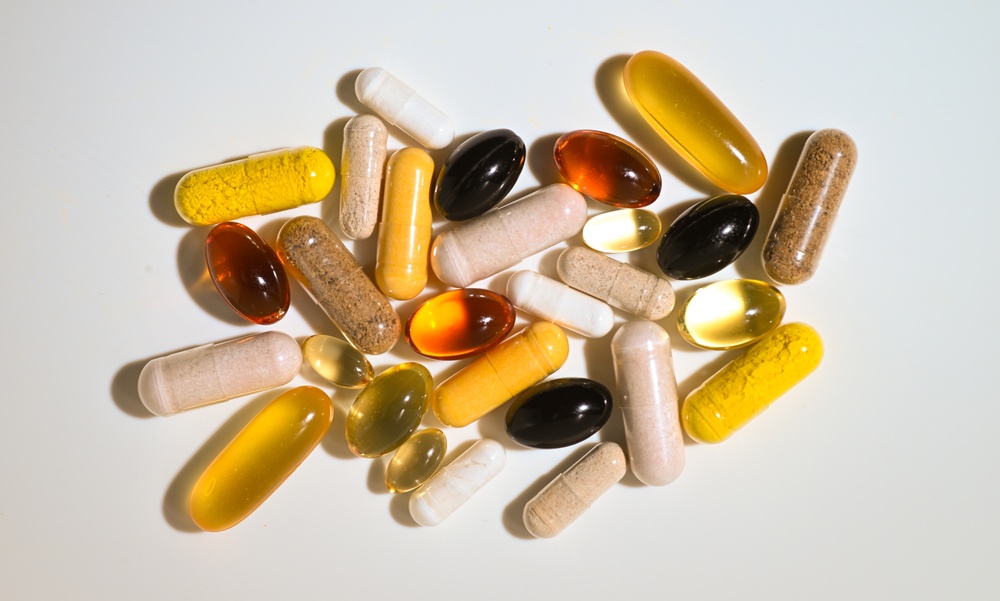
When it comes to nutrition, not all vitamins behave the same way. While some dissolve in water and leave your body daily, others tuck themselves away in your fatty tissues and liver, waiting to be used. These are known as fat-soluble vitamins. Understanding how they work is essential for maintaining a balanced diet and optimal health. This complete guide on fat-soluble vitamins, A, D, E, and K, will break down exactly what they do, where to find them, and why they matter. Unlike their water-soluble counterparts, these nutrients require dietary fat for absorption. This unique characteristic makes your overall diet composition, including healthy fats, crucial for preventing deficiencies. At Doral Health & Wellness, we have all the answers you need.
Breaking Down the Essential Fat-Soluble Vitamins
To truly benefit from this complete guide on fat-soluble vitamins, we need to look at each player individually. Each has a distinct role in keeping your body functioning smoothly.
Vitamin A: Vision and Immunity
Vitamin A is best known for protecting your vision, but it is also a powerhouse for your immune system. It helps maintain the integrity of your skin and mucous membranes, which are your body’s first line of defense against infection.
- Sources: Carrots, sweet potatoes, spinach, and liver.
- Deficiency Risks: Night blindness and lowered immunity.
Vitamin D: The Sunshine Vitamin
Unique among vitamins, vitamin D acts more like a hormone. Your body produces it when sunlight hits your skin. It is critical for calcium absorption, making it vital for strong bones. Interestingly, as health awareness about weight loss grows, researchers are studying links between vitamin D levels and metabolic health.
- Sources: Fatty fish, fortified milk, egg yolks, and sunlight exposure.
- Deficiency Risks: Bone pain, muscle weakness, and increased risk of fractures.
Vitamin E: The Protector
Vitamin E acts as a powerful antioxidant. It protects your cells from damage caused by free radicals—unstable molecules that contribute to aging and diseases.
- Sources: Almonds, sunflower seeds, avocados, and vegetable oils.
- Deficiency Risks: Nerve and muscle damage (though rare).
Vitamin K: Clotting and Bones
Vitamin K is essential for blood clotting; without it, even a small cut could bleed excessively. It also works in tandem with Vitamin D to support bone health.
- Sources: Kale, collard greens, broccoli, and Brussels sprouts.
- Deficiency Risks: Excessive bleeding and easy bruising.
The Connection to Weight and Metabolism
You might wonder how these vitamins relate to broader health topics like World Obesity Day. The answer lies in how they are stored. Because these vitamins are stored in fat tissue, individuals with higher body fat percentages may have altered levels of these nutrients circulating in their blood.
For example, vitamin D deficiency is often more prevalent in people carrying excess weight. As we promote health awareness about weight loss, it is vital to remember that losing weight isn’t just about calories; it’s about ensuring your body has the micronutrients it needs to function. A balanced diet that supports a healthy weight should also provide adequate fats to absorb these critical vitamins. Conversely, extremely low-fat diets might hinder your ability to absorb them.
Safety and Toxicity
Because your body stores these vitamins, they can accumulate to toxic levels if taken in excess, usually through supplements. This is a key part of any complete guide on fat-soluble vitamins.
- Vitamin A: High doses can cause liver damage and birth defects.
- Vitamin D: Excessive amounts can lead to dangerous calcium levels in the blood.
- Vitamin E: Can interfere with blood-clotting medication.
- Vitamin K: Can counteract blood thinners like warfarin.
Always consult a healthcare provider before starting high-dose supplements.
Vitamins A, D, E, and K play indispensable roles in your vision, bone strength, immune function, and blood health. By understanding the basics in this complete guide on fat-soluble vitamins, you can make smarter dietary choices that support your overall well-being. Remember to pair these nutrient-rich foods with healthy fats for better absorption and to monitor your intake if you use supplements. At Doral Health & Wellness, we have all the answers you need. By working together, we can foster a community where everyone has the opportunity to achieve their best possible health. If you ever have questions or feel uncertain about your care, we encourage you to speak up. Our team is here to listen and provide the clarity you deserve. For further inquiries, call us at +1-718-367-2555 to get a consultation or visit us at 1797 Pitkin Avenue, Brooklyn, NY 11212.