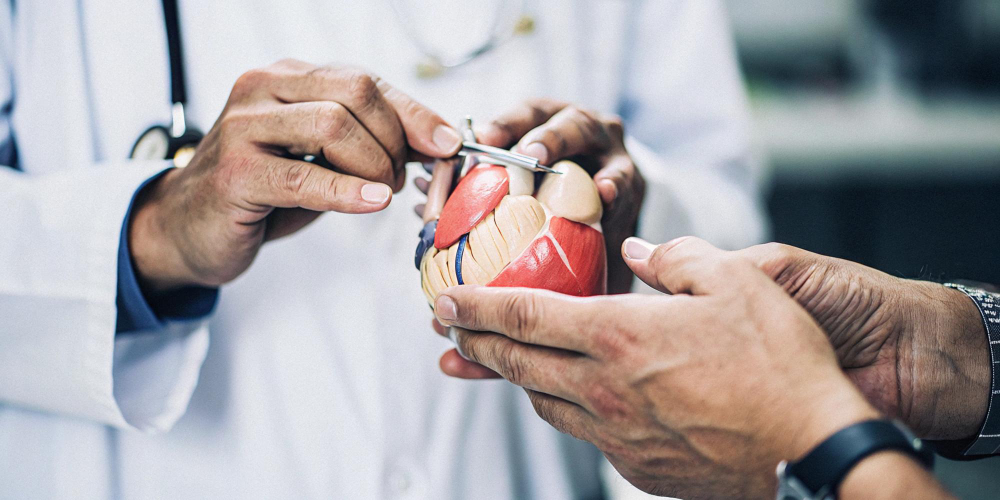
Coming home after heart valve surgery can feel overwhelming. Your chest is sore, your energy is low, and the questions keep coming. This heart valve repair recovery guide is here to give you clear, practical answers — a realistic picture of what the weeks ahead actually look like, without the medical jargon.
Recovery is not a straight line, but it does follow a general pattern. Knowing that pattern helps you rest when you should, move when it is safe, and recognize when something needs attention.
What to Expect Right After Surgery
Hospital Stay and Immediate Care
Most patients spend three to seven days in the hospital after heart valve surgery, according to the Cleveland Clinic. The first stop is typically the intensive care unit, where your heart rate, blood pressure, and incision are closely monitored. Once you are stable, you will move to a regular room.
Your care team will encourage you to get up and walk as soon as possible — even short trips down the hallway count. Deep breathing exercises will also be part of those early days. Discomfort is normal, and so are difficulty sleeping, low appetite, or unexpected mood shifts. These are common after-effects of major surgery, and they do ease with time.
Your Heart Valve Repair Recovery Guide: Week-by-Week Timeline
Weeks 1–2: Rest and Basic Self-Care
The first two weeks are about rest. Fatigue runs deep during this period, and that is expected. Focus on taking your medications as prescribed, caring for your incision, eating regular meals, and doing gentle walking. Do not try to push past what your body is telling you.
Weeks 3–4: Gradual Return to Activity
Energy begins to return during weeks three and four. Walks get a little longer. You may feel steady enough to manage light tasks around the house. Driving is still off the table, and anything that causes strain should wait. Your heart is still healing beneath the surface.
Weeks 5–8: Rebuilding Strength
By weeks five through eight, most patients feel meaningfully stronger. Returning to work becomes possible for many — though typically not before week six, and sometimes not until week twelve, depending on the type of surgery and the demands of your job. Full recovery from heart valve surgery generally takes four to eight weeks, and may be shorter after minimally invasive procedures, according to the American Heart Association.
Activity Restrictions and What You Cannot Do
Following your surgeon’s instructions on activity limits is one of the most important parts of recovery. Several key restrictions during the first six to eight weeks:
- Do not lift anything heavier than 15 pounds
- Do not drive for at least a few weeks after surgery
- Avoid bending or placing strain on the incision area
- Do not return to work without your surgeon’s clearance
The American Heart Association reminds patients that recovery timelines are individual. What applied to someone else’s recovery may not apply to yours.
Warning Signs to Watch For
Some discomfort during recovery is expected. Other symptoms need prompt attention. Contact your provider right away if you notice:
- Chest pain or increasing pain around the incision site
- Fever, which can signal infection
- Blood, pus, or fluid draining from the wound
- Sudden weight gain of more than five pounds, which may indicate fluid retention
- Worsening shortness of breath
- Signs of depression, which is a factor that can meaningfully slow recovery
Do not wait for your next scheduled appointment if any of these arise.
The Role of Cardiac Rehab
Cardiac rehabilitation is one of the most effective tools available during recovery. According to the National Heart, Lung, and Blood Institute, cardiac rehab is a medically supervised program that typically includes exercise training, education on heart-healthy living, and counseling to help manage stress. Research published in Heart (Lund et al., 2016) found that patients who remained physically active in the year following heart valve surgery had a lower risk of death than those who were not. Cardiac rehab provides the structure to build that activity safely.
Most programs run for several weeks and are designed to progress alongside your healing.
When to See a Cardiologist
Follow-up appointments with a cardiologist are not optional — they are a central part of safe recovery. These visits may include an EKG, echocardiogram, or stress test to assess how your heart is responding to the repair. If something feels off between appointments, reach out. You know your body.
If you are based in New York and need reliable cardiac follow-up care, our cardiology clinic in Brooklyn can provide the personalized monitoring your recovery requires — without you having to travel far during the weeks when rest matters most.
Take the Next Step Toward a Full Recovery
Recovery from heart valve surgery takes time, patience, and the right support around you. Some days will feel like real progress. Others may feel slower. Both are part of the process.
Our cardiology team is here to guide you through every stage — from your first post-discharge appointment to rebuilding your strength over the weeks ahead. To schedule a consultation with a cardiologist, or to ask questions about what you should expect at any point in your recovery, reach out to us by calling +1(347) 384-5690 or visiting 1797 Pitkin Avenue, Brooklyn, NY 11212 today.