A heart transplant is not the end of your health journey. It is the beginning of a new one.
After a major heart surgery, many patients and families expect to walk out of the hospital and return to normal life right away. The truth is gentler and more complex. The first year after a heart transplant is a season of healing, adjustment, and careful monitoring. If your loved one has lived with heart failure and finally received a donor heart, you deserve to know what the road ahead really looks like.
This guide walks you through each phase of that first year. You will learn about rejection risks, medications, infection safety, emotional ups and downs, and the recovery milestones that matter. Knowing what to expect helps you feel prepared instead of frightened. You are not walking this path alone.
The First Weeks: Leaving the Hospital and Starting Recovery
The days right after surgery are exhausting. Your loved one may feel weak, sore, and overwhelmed by new routines.
That feeling is normal, and it passes. Most patients spend one to two weeks in the hospital before moving to a recovery setting or heading home. During this time, your heart transplant care team watches closely for early signs of trouble and teaches you how to care for the new heart at home.
Here is what those first weeks usually involve:
- Frequent checkups. Expect regular blood tests, biopsies, and clinic visits to confirm the heart is working well.
- Wound care. The chest incision needs gentle cleaning and protection to heal properly.
- Medication schedules. New prescriptions arrive quickly, and timing them correctly is essential.
- Gradual movement. Short walks help rebuild strength without straining the healing body.
Take it one day at a time. Little progress is still progress.
Understanding Rejection: The Risk You Cannot Ignore
The biggest fear after a heart transplant is rejection. It is the reason for so many tests and medications.
Rejection happens when the body’s immune system sees the new heart as a threat and attacks it. This is most likely during the first year, which is why monitoring is so intense. Catching rejection early makes it highly treatable, so those frequent biopsies serve a real purpose.
Watch for these warning signs and report them right away:
- Unusual tiredness that does not improve with rest
- Shortness of breath during normal activity
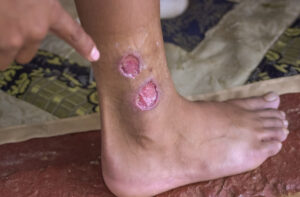
- Swelling in the legs, ankles, or feet
- Fever or flu-like symptoms
If any of these appear, contact your heart doctor immediately. Early action protects the heart.
Immunosuppressants: Powerful Medicines, Careful Balance
Anti-rejection drugs are lifesaving, but they come with trade-offs. Understanding them helps you manage the balance.
These medications, such as tacrolimus, quiet the immune system so it does not attack the new heart. The catch is that a quieter immune system also fights infection less effectively. That is why medication timing and dosage matter so much during the first year.
To stay safe with immunosuppressants:
- Never skip a dose. Consistency keeps drug levels steady and the heart protected.
- Track side effects. Report tremors, high blood pressure, or kidney concerns to your care team.
- Coordinate all prescriptions. Tell every provider what you take to avoid dangerous interactions.
Managing these medicines is a team effort. Support at home makes it easier. Our approach to medication management support helps families keep every dose on track, and every question answered.
Protecting Against Infection
A weakened immune system means everyday germs pose bigger risks. This does not mean living in fear.
With a few smart habits, your loved one can stay social and safe. Simple steps lower the chance of infection during the most vulnerable months.
- Wash hands often and ask visitors to do the same.
- Stay current on vaccines as recommended by your transplant team.
- Avoid crowds during peak illness seasons.
- Handle food safely to prevent foodborne illness.
Prevention is powerful. These small choices add up to real protection.
Emotional Health: The Part No One Prepares You For
A new heart brings joy, but it can also bring anxiety, guilt, and sadness. These feelings are real, and they deserve attention.
Many patients feel gratitude toward their donor alongside grief and worry about the future. Family caregivers often carry stress silently. Naming these emotions is the first step toward healing them.
You can support emotional recovery by:
- Talking openly with a counselor or support group
- Leaning on family and accepting help when it is offered
- Setting realistic goals to avoid frustration during slow weeks
Healing the heart includes healing the mind. Reach out for support whenever you need it.
Cardiac Rehab: Rebuilding Strength Safely
After heart failure and a transplant, the body needs to relearn how to move. Cardiac rehab makes that safe and structured.
This supervised program combines gentle exercise, education, and encouragement. Over weeks and months, your loved one rebuilds stamina under expert guidance. For a deeper look at rebuilding fitness after surgery, our guide to cardiac rehabilitation basics walks through each stage.
Rehab does more than build muscle. It restores confidence and independence.
Your Partner Through Every Milestone
The first year after a heart transplant asks a lot of you and your family. There are appointments, medications, worries, and victories.
You do not have to manage it alone. Our compassionate care teams support you at home with expert monitoring, medication help, and steady reassurance. Working with the best cardiologist and a trusted heart doctor gives your loved one the safest possible start with a new heart.
Ready to protect your new heart with expert support? Schedule a visit with our Cardiology team today by calling +1(347) 384-5690 or visiting 1797 Pitkin Avenue, Brooklyn, NY 11212 to take the next step with confidence.