Facing heart surgery is frightening. The days before and after bypass surgery can feel like stepping into the unknown, and that uncertainty weighs on you and the people who love you. You deserve a clear picture of what comes next.
This guide walks you through recovery from coronary artery bypass grafting (CABG), the operation many people know simply as heart bypass surgery. It is one of the most common treatments for coronary artery disease, and thousands of people go through it every year. Here you will find what the surgery does, how healing usually unfolds week by week, what to do and avoid at home, and how cardiac rehab supports your return to daily life. You are not walking this road alone.
What Bypass Surgery Actually Does
Coronary artery disease happens when the arteries feeding your heart become narrowed or blocked. Blood cannot flow the way it should. Left untreated, this raises your risk of a heart attack, and that risk is what brings many people to surgery in the first place.
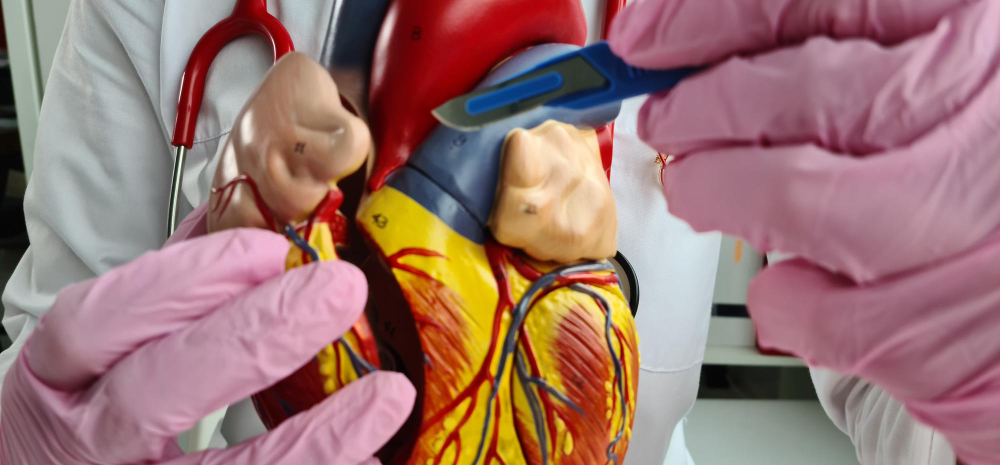
Bypass surgery solves this by creating a new path for blood to travel. Your surgeon takes a healthy blood vessel, often from your arm, chest, or leg, and connects it above and below the blocked artery. Blood now flows around the blockage instead of through it.
In traditional “open heart” surgery, your heart is briefly stopped while a machine pumps blood for you. Some people qualify for “off-pump” techniques where the heart keeps beating. If you are still weighing your options, our cardiology care team can explain which approach fits your situation and answer the questions that keep you up at night.
Your Week-by-Week Recovery Timeline
Recovery does not happen overnight. Knowing what to expect at each stage helps you measure progress instead of worrying about it.
Most people need 2 to 3 months to fully recover, and you can usually return to many normal activities after about 6 weeks. Here is how that timeline tends to unfold.
Days 1 to 7: In the Hospital
Most people spend about a week in the hospital. You will move from intensive care to a regular ward within a day or two.
You will feel some pain or discomfort, and your care team will give you medicine to manage it. Nurses and physiotherapists help you sit up, stand, and take your first steps as early as the day after surgery. You go home once your doctors feel confident you can move around safely.
Weeks 1 to 3: Settling In at Home
The first weeks home are tender ones. Expect these common experiences:
- Tiredness. You will feel worn out for the first few weeks. This is normal and improves steadily.
- Wound care. You will have a chest incision and wounds where blood vessels were removed. Follow your care team’s instructions closely.
- Reduced appetite. Many people eat less in the first few days. Your appetite returns with time.
- Mild aches. Some pain in the chest, back, or shoulders is expected as tissues heal.
Weeks 4 to 6: Rebuilding Strength
By now, most side effects begin to fade. Short walks turn into longer ones. Many people return to light daily routines around the six-week mark, though you should still avoid heavy activity.
Weeks 6 to 12: Returning to Normal
This is the stretch where life starts to feel familiar again. With guidance from your care team, you gradually rebuild your fitness and confidence. A full recovery usually lands around the three-month mark.
What to Do and Avoid at Home
The hardest part of recovery is often knowing where the line sits between resting too much and pushing too hard. Clear rules give you confidence.
Do these things to help your heart heal:
- Arrange support early. Ask someone to help care for you during the first few days home.
- Move a little. Start gentle activity, like short walks, as soon as you feel able.
- Care for your wounds. Follow your team’s advice on keeping incisions clean and dry.
- Take your medicines. Keep up with every prescription, including those for coronary heart disease.
- Eat for your heart. A balanced diet supports healing and protects against future problems.
Avoid these things while you recover:
- No heavy lifting for 3 months.
- No driving for at least 4 weeks.
- No smoking. If you need help quitting, ask your care team for support.
- Limit alcohol to recommended amounts.
If any wound looks red, swollen, or leaks fluid, or if you feel new chest pain or shortness of breath, call your heart doctor right away. Trusting your instincts here is not overreacting. It is smart.
Cardiac Rehabilitation: Your Guided Path Back
Recovery is not something you should figure out through guesswork. Cardiac rehabilitation gives you a structured program built around your body and your history.
After surgery, you will have follow-up appointments and often a supervised exercise plan. This program helps you rebuild stamina safely, understand your medicines, and learn heart-healthy habits that last. Many people find it eases the fear of “doing too much” because a professional is watching over every step.
Rehab also reduces your chance of ending up back in the hospital. That peace of mind matters as much as physical progress.
Lifestyle Changes That Protect Your New Blood Flow
Bypass surgery fixes the blockage. It does not erase coronary artery disease. Protecting your results means changing some daily habits, and these changes are more manageable than they sound.
Focus on the choices that make the biggest difference:
- Eat a heart-friendly diet rich in vegetables, whole grains, and lean proteins.
- Stay active within the limits your care team sets, building up over time.
- Manage stress through rest, connection, and support.
- Quit smoking completely, since tobacco damages the very vessels your surgeon repaired.
- Keep every follow-up with your cardiologist to catch problems early.
Take the Next Step Toward a Stronger Heart
Recovery from bypass surgery is a journey, and every journey is easier with an expert beside you. You do not have to interpret symptoms alone or wonder whether your progress is normal.
Finding the best cardiologist for your needs gives you a partner who understands your history and your goals. A trusted heart doctor can guide your rehab, adjust your medicines, and reassure you when questions arise. When you are ready, schedule a visit with our Cardiology team. We will help you heal with confidence, one steady step at a time.
Our cardiology team is here to help you understand your numbers, address your concerns, and put a real plan in place. Reach out to us today by calling +1(347) 384-5690 or visiting 1797 Pitkin Avenue, Brooklyn, NY 11212 to schedule a consultation with a cardiologist who will take the time to listen.