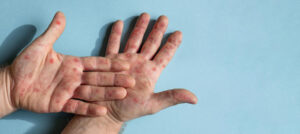
Atopic dermatitis in adults often gets worse during colder months because low humidity and indoor heating dry out the skin barrier. Managing persistent winter flare-ups involves moisturizing consistently, avoiding known triggers, and working with an allergist to identify underlying causes. If flare-ups keep returning, a visit to an immunology clinic in Brooklyn can help pinpoint the right long-term treatment plan.
Winter can be brutal on your skin, especially if you live with atopic dermatitis. The itching, redness, and cracked patches that seemed manageable in summer often return with a vengeance once temperatures drop. If this sounds familiar, you are not imagining it. Cold air, low humidity, and indoor heating all pull moisture from your skin, making atopic dermatitis in adults harder to control during the coldest months. The good news is that persistent winter flare-ups are manageable once you understand what is triggering them and how to respond. This guide walks through what causes winter flare-ups, practical ways to keep your skin protected, and when it makes sense to bring in professional support.
Why Does Atopic Dermatitis in Adults Get Worse in Winter?
Cold weather strips moisture from the air, and your skin follows suit. When your skin barrier is already compromised by atopic dermatitis, this dryness allows irritants and allergens to penetrate more easily, triggering inflammation and itching.
Common Winter Triggers
- Indoor heating: Furnaces and space heaters reduce humidity indoors, leaving skin parched.
- Hot showers: Long, hot showers feel good in winter but strip natural oils from your skin.
- Heavy fabrics: Wool and synthetic materials can irritate already sensitive skin.
- Reduced sun exposure: Less natural light may affect vitamin D levels, which some research links to skin health.
How Can You Manage Persistent Winter Flare-Ups?
Managing persistent winter flare-ups starts with protecting your skin barrier before symptoms escalate. Waiting until a flare-up is severe makes it harder to treat.
Daily Habits That Help
- Moisturize immediately after bathing. Locking in moisture while skin is still damp helps prevent water loss.
- Use a humidifier. Adding moisture back into your indoor air eases dryness caused by heating systems.
- Choose fragrance-free products. Scented lotions and detergents can irritate already inflamed skin.
- Wear breathable layers. Cotton next to the skin, with warmer layers on top, reduces friction and irritation.
These small, consistent changes will not eliminate atopic dermatitis, but they can reduce how often and how severely it flares.
When Should You See an Allergist for Atopic Dermatitis?
If your flare-ups keep returning despite consistent skincare, it may be time to bring in outside support. An allergist can help identify specific triggers, whether they are environmental, food-related, or tied to a broader immune response. Many adults with atopic dermatitis also live with related conditions like seasonal allergies or asthma, and an allergist is trained to look at the full picture rather than treating symptoms in isolation.
If flare-ups are affecting your sleep, your work, or your confidence, that is reason enough to seek help. You do not need to wait until symptoms become unbearable.
What to Expect From a Specialist Visit
A visit to an immunology clinic in Brooklyn typically includes a review of your medical history, a discussion of your current triggers, and possibly allergy testing. From there, your care team can recommend targeted treatments, which may include prescription creams, oral medications, or lifestyle adjustments tailored to your specific triggers.
You Do Not Have to Manage This Alone
Living with atopic dermatitis in adults can feel isolating, especially when winter makes symptoms harder to hide or ignore. You deserve a care plan built around your specific skin, not a generic routine that only works for some people some of the time. Our Allergy team works closely with patients across Brooklyn to identify triggers, adjust treatment as seasons change, and provide the reassurance that comes with having an experienced care team in your corner. Reach out to us today by calling +1-718-367-2555 or visiting us at 1797 Pitkin Avenue, Brooklyn, NY 1121 to schedule a consultation and start managing your winter flare-ups with real support behind you.