Latent tuberculosis reactivation happens when dormant TB bacteria become active, often triggered by a weakened immune system. Risk factors for vulnerable populations include HIV, diabetes, organ transplants, and certain medications. Early detection and treatment from an infectious disease specialist can prevent progression to active TB disease.
Finding out you have latent tuberculosis can feel frightening, especially when you learn the infection could become active later. You are not alone in asking what comes next. Latent tuberculosis reactivation is a real concern, but it is also manageable when you understand your risk factors and know when to seek help. This guide covers what latent TB reactivation means, which risk factors for vulnerable populations matter most, and how to find the right care close to home.
What Is Latent Tuberculosis Reactivation?
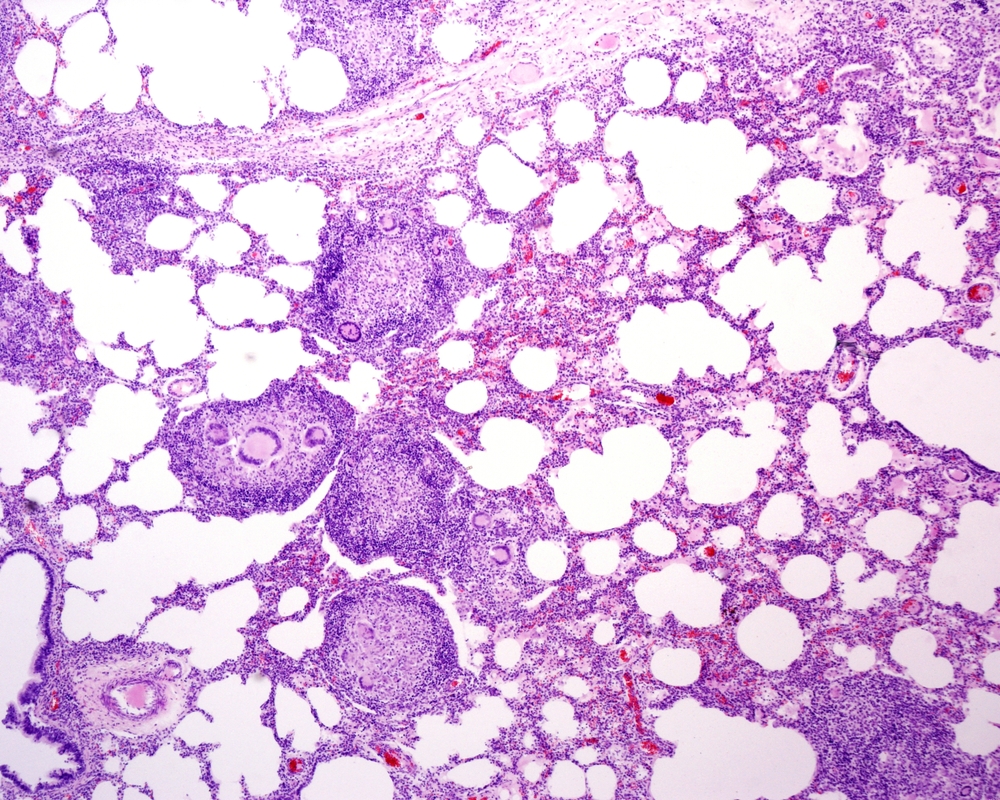
Latent tuberculosis means the TB bacteria are present in your body but inactive. You feel healthy, and you cannot spread the infection to others. However, the bacteria can wake up and multiply if your immune system weakens, a process called latent tuberculosis reactivation.
Without treatment, the CDC estimates that about 5 to 10 percent of people with latent TB will develop active disease at some point in their lives, with the highest risk occurring in the first two years after infection. Active TB is contagious and requires prompt medical attention.
Risk Factors for Vulnerable Populations
Certain health conditions and life circumstances raise the chances of latent tuberculosis reactivation. Knowing your risk factors helps you and your care team stay ahead of complications.
Weakened Immune Systems
HIV infection is one of the strongest risk factors for reactivation. Autoimmune conditions treated with immunosuppressive drugs, including TNF-alpha inhibitors, also increase risk significantly.
Chronic Health Conditions
Diabetes, chronic kidney disease, and patients on dialysis face elevated reactivation risk. Malnutrition and low body weight further weaken the body’s ability to keep TB bacteria dormant.
Organ Transplant Recipients
Anti-rejection medications suppress the immune system by design, which unfortunately gives latent TB an opening to reactivate.
Age and Living Situations
Older adults, especially those in long-term care facilities, face higher risk due to naturally declining immune function. People experiencing homelessness or living in shelters and correctional facilities also face increased exposure and reactivation risk.
When to See an Infectious Disease Specialist
You do not need to wait for symptoms to worsen before reaching out. If you have a positive latent TB test and any of the risk factors above, an infectious disease specialist can evaluate your individual risk and recommend preventive treatment.
Symptoms that warrant immediate attention include a persistent cough lasting more than three weeks, unexplained weight loss, night sweats, or fever. An infectious disease specialist can distinguish between latent infection and active disease quickly, which matters because early treatment prevents transmission and protects your long-term health.
Finding Infectious Disease Doctors in Brooklyn
If you live locally, infectious disease doctors in Brooklyn offer convenient access to testing, monitoring, and preventive therapy. Working with infectious disease doctors in Brooklyn also means faster coordination with local labs, making it easier to track your progress over time.
You Deserve Clear Answers About Your Health
Living with latent tuberculosis does not mean reactivation is inevitable. With the right monitoring and support, most people manage their risk successfully and never develop active disease. Reach out to our infectious disease specialists today by calling +1-718-367-2555 or visiting us at 1797 Pitkin Avenue, Brooklyn, NY 1121 to schedule an evaluation and take the next step toward lasting peace of mind.