Superficial thrombophlebitis is inflammation of a vein near the skin’s surface, often caused by a small blood clot. It leads to a hard, red, tender cord-like area on the leg. Most cases improve with warm compresses, compression stockings, and over-the-counter pain relief. A vascular specialist should be consulted if the area grows, spreads, or does not improve within a week or two.
A hard, tender vein running along your leg can be unsettling, especially when you do not know what caused it. You may have noticed the skin feels warm, looks red, or aches when you touch it. This is a common sign of superficial thrombophlebitis, and understanding what is happening under your skin is the first step toward finding relief.
You are not alone in dealing with this. Superficial thrombophlebitis is a frequent reason people seek care for leg discomfort, and in most cases, it responds well to simple, at-home treatment. Knowing how to soothe hard, tender leg veins, and when to call in extra support, can help you feel more in control of your recovery.
What Is Superficial Thrombophlebitis?
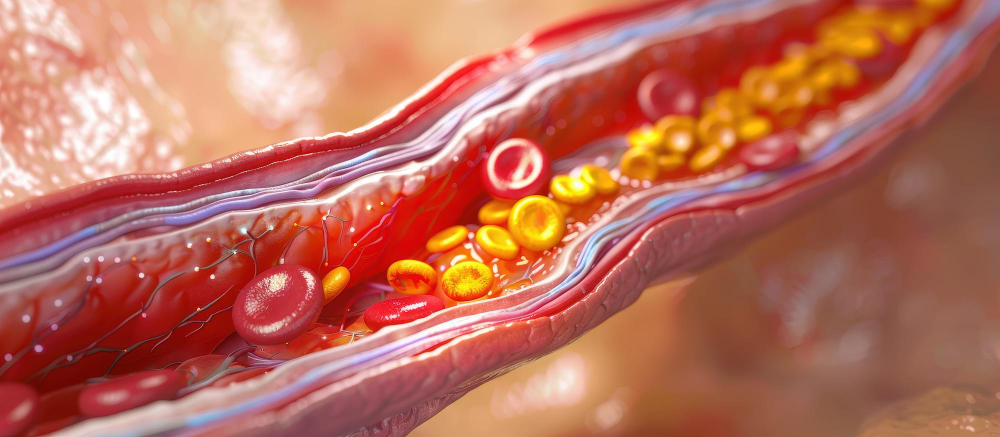
Superficial thrombophlebitis occurs when a vein close to the surface of your skin becomes inflamed, usually because of a small blood clot inside it. Unlike deep vein thrombosis, which affects veins deeper in the leg and carries more serious risks, superficial thrombophlebitis is generally less dangerous. Still, it deserves attention.
You might notice a firm, rope-like area along the vein, along with redness, warmth, and tenderness to the touch. Swelling in the surrounding skin is also common. These symptoms can develop after an injury, prolonged sitting or standing, or even without an obvious trigger.
How to Soothe Hard, Tender Leg Veins
Relief is possible, and most people start feeling better within a week or two of starting treatment.
At-Home Relief Methods
- Warm compresses: Applying a warm cloth to the affected area several times a day helps reduce inflammation and ease discomfort.
- Elevation: Keeping your leg raised above heart level when resting encourages healthy blood flow and reduces swelling.
- Compression stockings: These provide gentle pressure that supports circulation and can reduce pain over time.
- Movement: Light walking, unless your doctor advises otherwise, helps prevent blood from pooling in the affected vein.
Medical Treatments
If at-home care is not enough, a vascular specialist may recommend additional options.
- Pain management: Over-the-counter anti-inflammatory medication can reduce swelling and discomfort.
- Prescription treatment: In some cases, a vascular specialist may prescribe blood thinners, particularly if the clot is close to a deeper vein.
- Monitoring: Follow-up visits help confirm the clot is not extending or putting you at higher risk.
When to See a Vascular Specialist
Most cases of superficial thrombophlebitis resolve on their own with home care. But certain signs mean it is time to reach out to a vascular specialist.
- The hard, tender area grows larger or spreads up your leg
- You develop a fever or feel generally unwell
- The pain becomes severe or does not improve after a week or two
- You notice swelling in your entire leg, which can signal a deeper issue
These symptoms do not always mean something serious is happening, but a vascular specialist can confirm what you are dealing with and guide your next steps with confidence.
Preventing Hard, Tender Leg Veins
Once you have experienced superficial thrombophlebitis, you may understandably want to avoid a repeat. A few habits can lower your risk.
- Move regularly, especially during long flights or desk-bound workdays
- Stay hydrated to support healthy blood flow
- Wear compression stockings if you are prone to vein issues
- Maintain a healthy weight to reduce pressure on your veins
Small, consistent changes can make a meaningful difference in how your veins feel day to day.
Find Relief With Support You Can Trust
Living with a hard, tender vein is uncomfortable, and waiting to see if it improves on its own can feel stressful. You deserve clear answers and a care plan built around your needs.
Our Vascular team is here to help you understand what your body is telling you and guide you toward lasting relief. Reach out to us today by calling +1-718-367-2555 or visiting us at 1797 Pitkin Avenue, Brooklyn, NY 1121 to schedule a visit and take the next step toward healthier, more comfortable legs.