Raynaud’s phenomenon is a condition where small blood vessels in your fingers and toes narrow in response to cold or stress, cutting off blood flow. This causes the skin to turn white, then blue, then red, often with numbness or tingling. Most cases are mild, but a vascular specialist can help if symptoms worsen.
Cold fingers are common in winter. But if your fingers turn white or blue, go numb, and then flush red as they warm up, you may be dealing with something more than a chilly day. This pattern has a name: Raynaud’s phenomenon.
You are not imagining it, and you are not alone. Raynaud’s phenomenon affects an estimated 5 to 10 percent of the population, and it can feel alarming the first time you see your fingers change color right in front of you. The good news is that once you understand what is happening beneath your skin, the condition becomes much easier to manage.
What Is Raynaud’s Phenomenon?
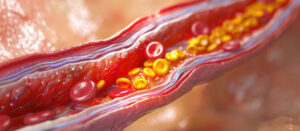
Raynaud’s phenomenon is a condition that affects the small blood vessels in your fingers and toes. When you are cold or feeling stressed, these vessels narrow more than they should. That narrowing restricts blood flow to your extremities, which leads to the color changes and numbness many people experience.
There are two types:
- Primary Raynaud’s: Occurs on its own, without an underlying disease. This is the most common form and tends to be milder.
- Secondary Raynaud’s: Linked to another condition, such as an autoimmune disease. Symptoms are often more severe and warrant closer medical attention.
Why Do Cold Fingers Change Colors and Get Numb?
The honest answer is that your body is overreacting to protect your core temperature. When your hands get cold, your blood vessels normally narrow a little to preserve heat. With Raynaud’s phenomenon, that response is exaggerated, and blood flow to your fingers drops sharply.
The Three-Color Response
Doctors often describe Raynaud’s in three stages:
- White: Blood flow drops, and your fingers lose color.
- Blue: Oxygen levels fall, giving your skin a bluish tint.
- Red: Blood flow returns, and your fingers flush red, sometimes with throbbing or tingling.
This sequence can last anywhere from a few minutes to over an hour.
When Should You See a Vascular Specialist?
Most Raynaud’s episodes are harmless and pass on their own. But some signs mean it is time to talk to a vascular specialist:
- Episodes happen frequently or last longer than usual
- You notice skin sores or sores that heal slowly
- Only one hand or foot is affected
- Symptoms started suddenly after age 30
If any of these sound familiar, a vascular specialist can run simple tests to rule out an underlying condition and recommend treatment tailored to you.
How Is Raynaud’s Phenomenon Treated?
Treatment usually starts with lifestyle changes before moving to medication.
- Stay warm: Layer clothing and use heated gloves during cold months.
- Manage stress: Since stress can trigger episodes, relaxation techniques may help.
- Avoid triggers: Caffeine, nicotine, and certain medications can worsen symptoms.
- Medication: For persistent cases, a vascular specialist may prescribe medication to help blood vessels relax.
Take the Next Step Toward Relief
Cold fingers that change color and go numb are your body’s way of signaling that something needs attention. You do not have to guess whether what you are experiencing is normal.
Our Vascular team is here to help you get answers and a treatment plan that fits your life. Reach out to us today by calling +1-718-367-2555 or visiting us at 1797 Pitkin Avenue, Brooklyn, NY 1121 to schedule a consultation and take the first step toward warmer, healthier hands.