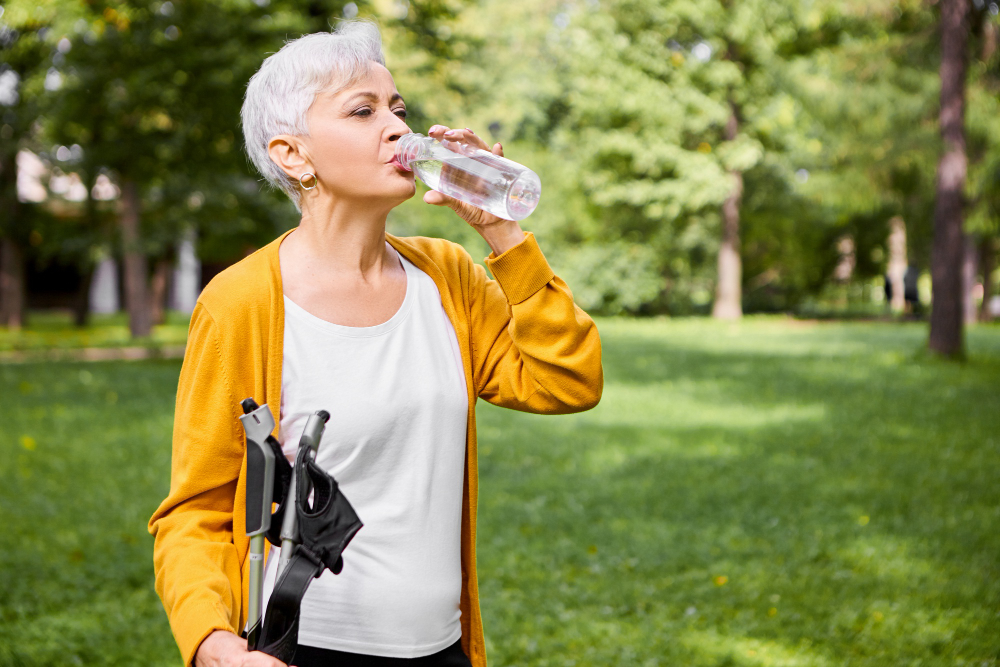
Hydration in older adults often suffers because the body’s thirst reflex weakens with age, meaning your loved one may not feel thirsty even when dehydration has already begun. Overcoming the diminished thirst reflex requires a proactive routine built around scheduled fluids, appealing drink options, and simple tracking tools, with guidance from a nutritionist when needed.
It is unsettling to watch someone you love grow tired, confused, or dizzy for no clear reason. Often, the cause is something as simple as not drinking enough water. Hydration in older adults is harder to maintain than most families realize, largely because aging changes the body’s internal warning system. Overcoming the diminished thirst reflex starts with understanding why it happens and what you can do about it every day.
Why Does the Thirst Reflex Diminish With Age?
As people age, the brain’s sensitivity to dehydration signals decreases. The hypothalamus, which normally triggers thirst when fluid levels drop, responds more slowly in older adults. Kidneys also become less efficient at conserving water, and certain medications, such as diuretics, increase fluid loss. The result is a body that needs water but does not ask for it in time.
Warning Signs of Dehydration in Seniors
Dehydration can be easy to miss until it becomes serious. Watch for these signs in your loved one:
- Confusion or sudden fatigue: Dehydration often shows up first as mental fog or unexplained tiredness, not thirst.
- Dry mouth or cracked lips: These physical signs can appear well after fluid loss has already begun.
- Dark yellow urine: A simple, reliable indicator that more fluids are needed.
- Dizziness when standing: Low fluid volume can cause blood pressure to drop quickly.
Catching these signs early makes a real difference. You do not need to wait for a crisis to start building better hydration habits.
How to Support Hydration in Older Adults Every Day
Overcoming the diminished thirst reflex means removing the guesswork. Here is how to build hydration into daily life, not just when thirst strikes.
Build Hydration Into the Daily Schedule
Pair fluids with activities your loved one already does each day, such as waking up, taking medication, or sitting down for meals. Consistent timing removes the need to rely on thirst at all.
Make Fluids Appealing
Plain water can feel unappealing after a while. Offer variety with herbal tea, infused water, or low-sugar broths. Warm drinks in colder months and chilled ones in summer can also encourage more consistent intake.
Track Intake Simply
A marked water bottle or a simple daily checklist helps both you and your loved one see progress at a glance. Small visual cues often work better than reminders alone.
When to Involve a Professional
Some situations call for more than a daily routine. If your loved one has kidney disease, heart conditions, or takes multiple medications, a nutritionist can create a hydration plan tailored to their specific health needs. Working with a nutritional consultant in Brooklyn also means someone is tracking progress alongside you, not leaving you to manage it alone.
You Do Not Have to Manage This Alone
Hydration in older adults is manageable with the right daily habits and support. If you are unsure where to start, our Nutrition team is ready to help you build a plan that fits your loved one’s needs. Reach out to us today by calling +1-718-367-2555 or visiting us at 1797 Pitkin Avenue, Brooklyn, NY 1121 to get started.