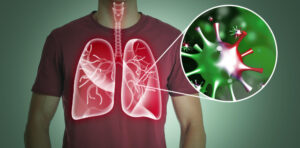
Many popular cold medicines contain decongestants like pseudoephedrine and phenylephrine, which narrow blood vessels to relieve stuffiness. That same effect can raise blood pressure and heart rate, especially in people with existing heart disease or hypertension. If you have a heart condition, choose decongestant-free formulas or talk with a cardiologist before reaching for a standard cold medicine.
That stuffy, pounding head during a cold makes you want relief fast. Grabbing the nearest box of cold medicine feels like second nature, but the active ingredients inside may do more than clear your sinuses. Decongestants work by tightening blood vessels throughout your body, not just the ones in your nose, and that narrowing can push your blood pressure and heart rate higher than usual.
For most healthy adults, this effect is mild and temporary. For people managing heart disease, high blood pressure, or arrhythmia, it can be far more serious. Understanding which ingredients to watch for, and which symptoms mean it is time to stop and call for help, protects your heart while you recover from a common cold.
How Decongestants Affect Blood Pressure and Heart Rate
Decongestants are sympathomimetic drugs, meaning they mimic adrenaline. Adrenaline-like compounds constrict blood vessels and stimulate your heart, which is useful for shrinking swollen nasal tissue but hard on your cardiovascular system. If you are already managing high blood pressure or heart disease, that extra strain can tip the balance toward a dangerous spike.
Two ingredients appear in most cold medicine on store shelves:
- Pseudoephedrine: Found in behind-the-counter products, this decongestant has a strong constricting effect and is known to raise both blood pressure and heart rate significantly.
- Phenylephrine: Common in many over-the-counter formulas, this ingredient has a milder effect on blood vessels but can still cause noticeable increases in blood pressure for sensitive individuals.
Combination cold medicines often layer decongestants with other stimulants, such as caffeine, which compounds the strain on your heart. Reading the active ingredients list before you buy matters more than most people realize.
Who Faces the Highest Risk
Not everyone responds to decongestants the same way. Your personal heart health determines how much risk a simple cold medicine carries.
People with uncontrolled high blood pressure face the clearest danger, since decongestants can push already-elevated numbers into a dangerous range. Those with coronary artery disease, arrhythmia, or a prior heart attack also need extra caution, because a faster heart rate increases demand on a heart that already has less reserve capacity. Older adults managing multiple health conditions should check with their doctor before combining cold medicine with daily prescriptions.
Many patients searching for the best cardiologist in Brooklyn do so after noticing heart palpitations following a dose of cold medicine. That instinct to ask questions is the right one.
Safer Cold Relief Options for Your Heart
You do not have to suffer through congestion to protect your heart. Several options exist that skip the cardiovascular strain entirely.
- Saline nasal sprays: These relieve congestion without any systemic effect on blood pressure or heart rate.
- Antihistamines without decongestants: Many allergy and cold formulas offer decongestant-free versions clearly labeled on the box.
- Steam and humidity: A warm shower or humidifier can loosen congestion naturally.
- Hydration and rest: Simple, often overlooked, and genuinely effective for shortening a cold’s course.
Always check the label for “decongestant-free” or ask your pharmacist directly if you are unsure. A few extra minutes at the pharmacy counter is a small price for peace of mind.
When to Call Your Cardiologist
Chest tightness, a racing heartbeat, dizziness, or shortness of breath after taking cold medicine are signs your heart is working harder than it should. These symptoms deserve attention the same day, not next week.
If you manage heart disease or blood pressure concerns, a conversation with your cardiologist before cold and flu season arrives can save you from guessing in the moment. Establishing that relationship with the best cardiologist in Brooklyn means you already have a trusted voice to call when symptoms appear, rather than facing them alone.
You Do Not Have to Navigate This Alone
For more on how everyday choices affect your cardiovascular health, read our Health Corner guide on snow shoveling and heart risk, which covers another seasonal hazard many people overlook.
Our Cardiology team is here to explain every step of the walking protocol, answer your safety questions, and support your family before, during, and after the appointment. Reach out today by calling +1-718-367-2555 or visiting us at 1797 Pitkin Avenue, Brooklyn, NY 11212 to schedule a stress test and get the answers you deserve.