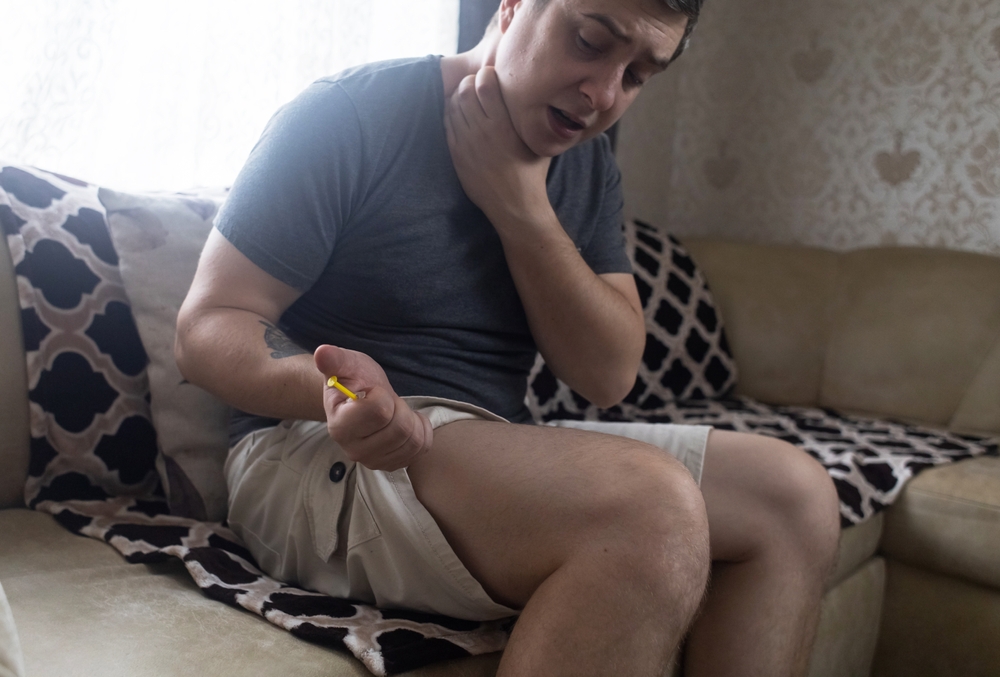
Biphasic anaphylaxis is a second allergic reaction that occurs hours after the first one appears to have resolved, even without new exposure to the trigger. It happens in an estimated 1 in 5 anaphylaxis cases, which is why an allergist often recommends monitoring for several hours after the initial symptoms fade. Knowing why secondary reactions happen hours later can help your family recognize the warning signs before they escalate.
Your loved one’s face was swelling, their throat felt tight, and then, after treatment, the symptoms disappeared. Relief washed over the room. But hours later, without warning, the same frightening symptoms returned. This second wave is called biphasic anaphylaxis, and it catches many families off guard.
Understanding why secondary reactions happen hours later can make the difference between a calm response and a frightening scramble for help.
What Is Biphasic Anaphylaxis?
Biphasic anaphylaxis is a recurrence of anaphylactic symptoms after the first reaction appears to have resolved, typically without any new exposure to the allergen. The second reaction can appear anywhere from one to 72 hours later, though most cases occur within six to twelve hours.
This delayed pattern is part of why secondary reactions happen hours later and why doctors urge caution even after symptoms seem to fade.
How Common Is a Second Reaction?
Research published by the National Institutes of Health estimates that biphasic reactions occur in up to 20 percent of anaphylaxis cases. That means one in five people who experience a severe allergic reaction may face a second, unexpected episode.
Why Do Secondary Reactions Happen Hours Later?
The body’s immune response does not always finish in one wave. Here is what is happening beneath the surface:
- Delayed immune cell activity: Mast cells and basophils release inflammatory chemicals in stages, not all at once. A second surge of these chemicals can trigger new symptoms.
- Medication wearing off: Epinephrine and antihistamines control symptoms temporarily. As they wear off, underlying inflammation can resurface.
- Incomplete treatment: If the first reaction was severe or treatment was delayed, inflammation may not have been fully controlled, leaving the door open for a second episode.
Because of these delayed mechanisms, an allergist will often recommend an observation period after the first reaction subsides, even when your loved one feels back to normal.
What Should You Watch For After the First Reaction Resolves?
Staying alert during the hours after treatment matters just as much as the initial response. Watch for these warning signs:
- Return of hives, swelling, or itching
- Difficulty breathing or a tight feeling in the throat
- Dizziness, fainting, or a rapid heartbeat
- Nausea, vomiting, or stomach cramps returning after they had stopped
If any of these appear, treat it as seriously as the first reaction. Use a second dose of epinephrine if prescribed, and call 911 immediately.
How Long Should Monitoring Continue?
Most physicians recommend observation for at least four to six hours after a mild reaction and up to 24 hours for more severe cases. An allergist can help your family create a personalized monitoring plan based on your loved one’s specific history and triggers.
Protect Your Family With the Right Care Plan
A single allergic reaction can feel overwhelming enough without the added worry of a hidden second wave. You do not have to navigate this uncertainty alone. Our Allergy team will understand why secondary reactions happen hours later and can build a monitoring and treatment plan built around your loved one’s needs. If your family is searching for an immunology clinic in Brooklyn, reach out to us today by calling +1-718-367-2555 or visiting us at 1797 Pitkin Avenue, Brooklyn, NY 1121 to schedule an evaluation and gain the peace of mind that comes with expert, ongoing support.