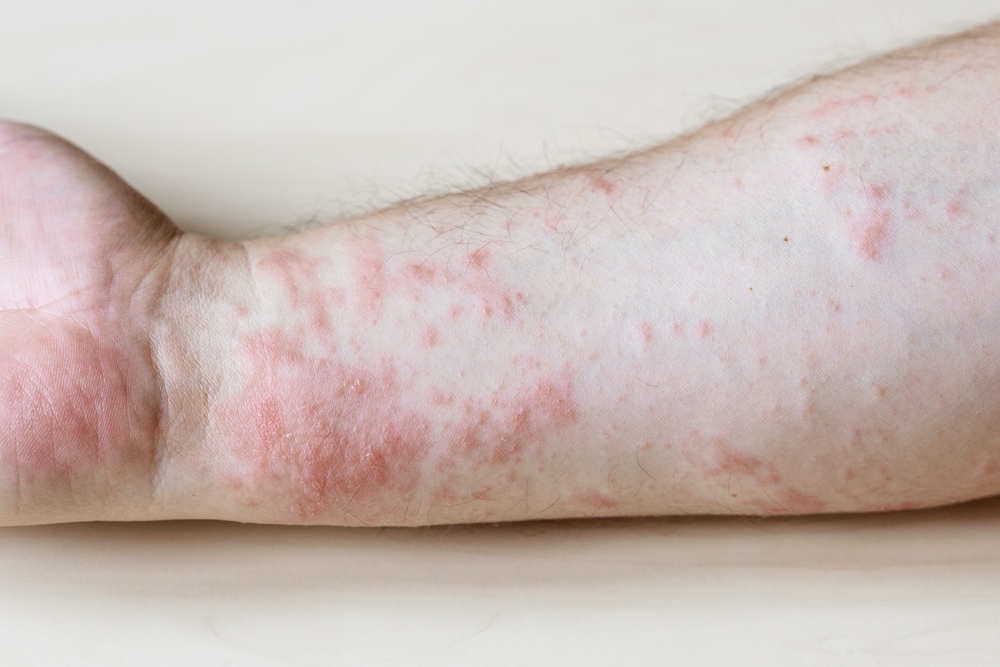
Contact dermatitis often develops from fragrance ingredients hiding in everyday products like lotions, laundry detergent, and cleaning supplies. Pinpointing hidden fragrance triggers usually requires patch testing and a careful review of product labels. An allergist can identify your specific triggers and help you build a plan to avoid future flares.
Your skin should not feel like a mystery you cannot solve. If you have noticed redness, itching, or a rash that keeps returning without an obvious cause, you may be living with contact dermatitis triggered by fragrance. This is more common than most people realize, and fragrance is one of the most frequent culprits behind unexplained skin reactions. The frustrating part is that fragrance ingredients are often hidden under vague label terms, making pinpointing hidden fragrance triggers feel like guesswork. You do not have to keep guessing. Understanding how contact dermatitis develops, where fragrance hides, and when to bring in a specialist can help your family find real relief.
What Causes Contact Dermatitis Related to Fragrance?
Contact dermatitis happens when your skin reacts to a substance it touches directly. Fragrance chemicals, found in thousands of everyday products, are a leading cause of allergic and irritant skin reactions.
Fragrance Hides Under Many Names
Manufacturers are not always required to list every fragrance ingredient by name. Instead, you may see terms like “parfum,” “aroma,” or simply “fragrance” on a label, even when dozens of chemical compounds are blended inside.
Common Everyday Sources
Fragrance triggers hide in more places than most people expect:
- Personal care products: Lotions, shampoos, and deodorants often contain fragrance even when labeled “unscented,” since masking agents can still trigger reactions.
- Laundry products: Detergents and fabric softeners leave fragrance residue directly on clothing and bedding.
- Household cleaners: Scented sprays and wipes can transfer fragrance to surfaces your skin touches throughout the day.
- Candles and air fresheners: Airborne fragrance particles can settle on skin and clothing over time.
How Do You Confirm Fragrance Is the Trigger?
Pinpointing hidden fragrance triggers is difficult to do alone, since reactions can appear hours or even days after exposure.
Patch Testing With an Allergist
An allergist can perform patch testing, applying small amounts of common fragrance allergens to your skin to identify which specific compounds cause a reaction. This test removes the guesswork and gives you a clear, personalized list of ingredients to avoid.
Tracking Your Exposure
Keeping a simple log of new products, when a rash appears, and where it appears on your body can help your allergist connect the dots faster during your visit.
When Should You See an Allergist for Contact Dermatitis?
If a rash lingers for more than a week, keeps returning, or spreads despite switching products, it is time to seek professional guidance. Visiting an immunology clinic in Brooklyn can help confirm whether fragrance, or another allergen entirely, is behind your symptoms. A thorough evaluation at an immunology clinic in Brooklyn also rules out other skin conditions that mimic contact dermatitis, such as eczema or a reaction to fabric or metal.
Working with an allergist means your family receives a plan built around your actual triggers, not a list of generic products to avoid.
You Do Not Have to Figure This Out Alone
A rash that keeps coming back can wear down your patience and your skin. You deserve clear answers, not another round of trial and error with new products. Our Allergy team will specialize in pinpointing hidden fragrance triggers and building practical avoidance plans that fit real life. Reach out to us today by calling +1-718-367-2555 or visiting us at 1797 Pitkin Avenue, Brooklyn, NY 1121 to schedule a visit and start finding relief for the whole family.