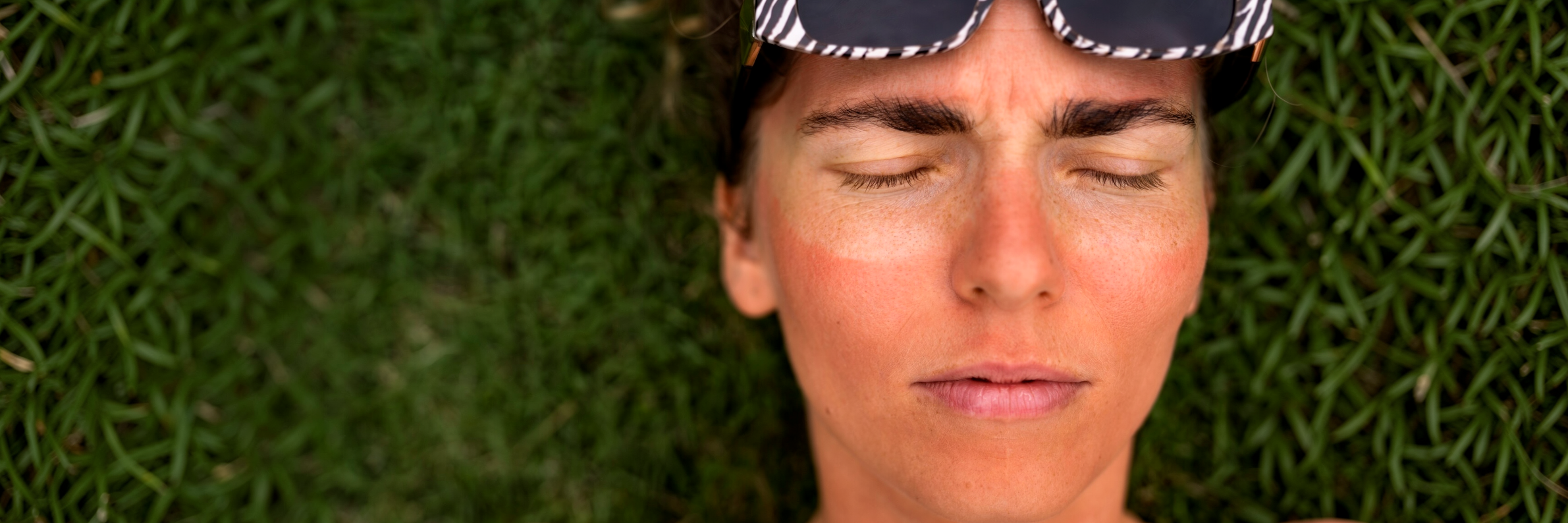
Noticing dark, uneven patches spread across your cheeks or forehead can be disheartening. You may feel self-conscious about your skin, frustrated that the spots keep coming back, or worried that nothing will ever help. Those feelings are real, and you are not alone in having them. Here is the reassuring truth: melasma is manageable once you understand what drives it. The link between melasma and sun exposure is one of the most important things to know, because sunlight is a major trigger that darkens and spreads these patches. With the right daily protection and a steady melasma skin care routine, you can fade existing spots and stop new ones from forming. This guide walks you through what melasma is, why the sun matters so much, and the melasma treatment options that truly work.
Taking that first step is easier with a caring team beside you. Doral Health & Wellness Dermatology in Brooklyn offers thorough, compassionate skin care in a modern medical facility. Our specialists guide you through diagnosis, treatment, and everyday management with clarity and support. Reach out today, and let us help you protect your skin and your confidence.
What is Melasma and How Does Sun Exposure Trigger It?
Seeing patches appear without warning can feel confusing. You may wonder what you did to cause them or why they keep returning. Once you understand what is happening in your skin, that confusion turns into a clear plan.
Melasma is a common skin condition that causes brown or grayish-brown patches, usually on the face. It develops when the cells that make pigment, called melanocytes, produce too much color. These patches often appear on the cheeks, forehead, upper lip, and bridge of the nose.
Sunlight is one of the biggest triggers. Ultraviolet (UV) rays stimulate your pigment cells, prompting them to make even more color. This is why melasma and sun exposure are so closely tied together. Even short, everyday exposure, like walking to work or sitting near a window, can darken existing patches or bring new ones to the surface. Visible light from screens and the sun can worsen it too.
Understanding this connection puts power back in your hands. Once you know the sun is fueling your melasma, daily protection becomes your strongest tool.
Key Risk Factors to Know
Some factors raise your chances of developing melasma. Knowing them helps you and your dermatologist stay ahead of it:
- Sun exposure – The most controllable trigger, since UV light directly drives pigment production.
- Hormonal changes – Pregnancy, birth control pills, and hormone therapy can all set melasma in motion, which is why it is sometimes called the “mask of pregnancy.”
- Skin tone – People with medium to darker skin tones are more likely to develop melasma.
- Family history – If a close relative has had melasma, your risk goes up.
- Heat and visible light – Warmth and light from screens or bright rooms can also worsen patches.
Understanding your personal risk gives you a real head start. With that knowledge, you can focus your energy where it matters most.
Daily Sun Protection That Actually Works
The idea of guarding against the sun every single day can feel like a lot. You may worry it will be inconvenient or that you will forget. The good news is that a few simple habits, done consistently, make a powerful difference.
Sun protection is the foundation of melasma prevention. Without it, even the best treatments struggle to keep up. Build these habits into your daily routine:
- Wear broad-spectrum SPF 30+ sunscreen – Choose a broad-spectrum formula with an SPF of 30 or higher, and apply it every morning. The best sunscreen for melasma often includes iron oxides or a mineral base like zinc oxide or titanium dioxide, since these shield against visible light as well as UV rays.
- Reapply throughout the day – Sunscreen wears off, so reapply every two hours when you are outdoors, and after sweating or swimming.
- Choose UV-protective clothing – A wide-brimmed hat and clothing with a UPF rating add a reliable layer of defense for your face and skin.
- Avoid peak sun hours – UV rays are strongest between 10 a.m. and 4 p.m. Seek shade during these hours whenever you can.
- Do not forget cloudy days – Up to 80% of UV rays pass through clouds, so daily protection matters year-round.
Here is the real takeaway: consistency beats intensity. Protecting your skin every day, even briefly, does more for your melasma than an occasional big effort.
Melasma Skin Care Ingredients That Help
Standing in the skincare aisle can feel overwhelming. So many products promise to fade dark spots, and it is hard to know what truly works. A few proven ingredients can gently brighten your skin and support your melasma treatment.
These ingredients work best alongside daily sun protection, not in place of it. Look for them when building your routine:
- Niacinamide – A gentle form of vitamin B3 that helps calm inflammation and slow the transfer of pigment to your skin’s surface.
- Vitamin C – An antioxidant that brightens the skin and helps fade dark patches over time, while adding an extra layer of defense against sun damage.
- Azelaic acid – A well-tolerated ingredient that reduces pigment production and evens out skin tone, often recommended for hyperpigmentation treatment.
Introduce new products slowly, one at a time, so you can spot what your skin likes. If irritation appears, pause and check with a dermatologist. Gentle, steady care protects your skin barrier while it heals.
Medical Treatment Options for Melasma
When over-the-counter products are not enough, it can feel discouraging. You may wonder if stronger help exists or if it is worth the effort. It is, and a dermatologist can offer treatments designed to fade stubborn patches safely.
Professional melasma treatment is tailored to your skin and how deep the pigment sits. Your dermatologist may recommend one or more of these options:
- Topical prescription creams – Medications like hydroquinone, tretinoin, or a combination formula work to lighten patches and slow pigment production.
- Chemical peels – A controlled peel removes the top layers of pigmented skin, helping to reveal a more even tone underneath.
- Laser and light therapy – Certain lasers can target excess pigment, though they must be used carefully, since the wrong approach can worsen melasma in some skin tones.
Every plan is unique to you. A skilled dermatologist will weigh your skin type, triggers, and goals before choosing the safest path forward. That personalized approach is what makes lasting results possible.
When to See a Dermatologist in Brooklyn
Trying to manage melasma alone can feel like a losing battle. You may have spent money on products that did not help, or worried that treatment could make things worse. The right expert changes everything.
See a dermatologist if your patches are spreading, not responding to home care, or affecting how you feel about yourself. A professional can confirm that your spots are melasma and rule out other conditions. When you search for a dermatologist in Brooklyn, look for one experienced in treating melasma across different skin tones, since the right approach depends heavily on your skin.
A trusted specialist builds a plan around your triggers, your skin type, and your daily life. That kind of partnership turns a frustrating condition into a clear, manageable path forward. Whether you need prescription care, in-office treatment, or simply guidance on the best sunscreen for melasma, expert help keeps real results within reach.
Protecting Your Skin for the Long Run
Melasma can be stubborn, but it does not have to control how you feel about your skin. You now understand the strong link between melasma and sun exposure, the ingredients that support your melasma skin care, and the medical treatments that fade tough patches. With daily sun protection, a steady routine, and expert guidance, you can achieve a clearer, more even complexion and keep new spots from forming.
You do not have to face this alone. To get expert, compassionate care that puts your well-being first, contact Doral Health & Wellness today at 1-718-365-2555 or visit us at 1797 Pitkin Avenue, Brooklyn, New York 11212. Our dedicated team is ready to assess your skin, personalize your treatment, and support you at every step.
For general information about Doral Health & Wellness services, you can contact or email info@doralhw.org.