Pneumatic compression devices are at-home leg sleeves that inflate and deflate in cycles to push fluid out of swollen limbs. They are often recommended for severe swelling linked to venous disease, lymphedema, or post-surgical recovery. A vascular specialist can confirm whether this therapy is right for your situation and help you use it safely.
Watching a loved one struggle with swollen, heavy legs is hard. The skin may feel tight, the discomfort may make walking difficult, and you may wonder whether there is anything you can do at home to help. Pneumatic compression devices offer one answer. These at-home leg sleeves use gentle, rhythmic pressure to help move fluid out of the legs, easing swelling and supporting circulation. Understanding how they work and when they are appropriate can help you feel confident about the next step in your loved one’s care.
What Are Pneumatic Compression Devices?
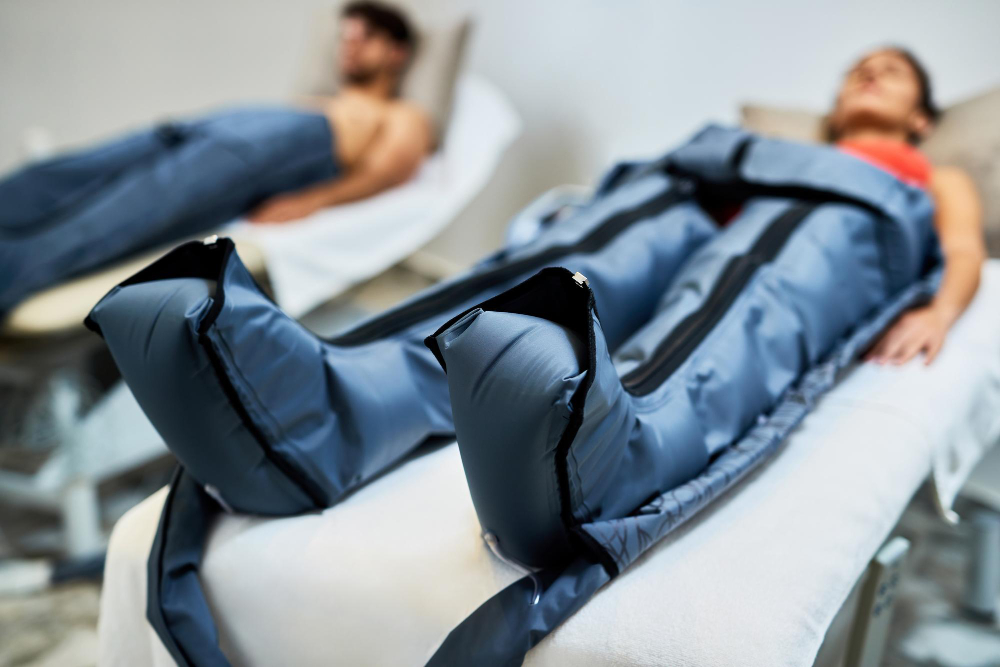
Pneumatic compression devices are sleeves worn over the legs and connected to a small pump. The pump fills chambers in the sleeve with air, creating pressure that moves from the ankle up toward the thigh. This cycle repeats throughout the session, encouraging fluid and blood to flow back toward the heart instead of pooling in the lower legs.
Unlike compression stockings, which apply steady pressure, these devices create a wave-like squeezing motion. This makes them especially useful for severe swelling that does not respond well to stockings alone.
Using At-Home Leg Sleeves to Reduce Severe Swelling
Many families turn to using at-home leg sleeves to reduce severe swelling because the therapy can be done comfortably, without a trip to a clinic for every session. Still, it helps to understand why swelling happens before starting treatment.
Common Causes of Severe Leg Swelling
- Chronic venous insufficiency: Weakened vein valves allow blood to pool in the lower legs, leading to swelling, aching, and skin changes over time.
- Lymphedema: A buildup of lymphatic fluid, often following surgery, injury, or cancer treatment, that causes persistent swelling.
- Post-surgical recovery: Reduced mobility after a procedure can slow circulation and allow fluid to collect in the legs.
- Prolonged immobility: Long periods of sitting or bed rest make it harder for the body to move fluid naturally.
How the Therapy Helps
Pneumatic compression devices do not just mask the symptoms of swelling. They support the body’s own circulation, helping reduce fluid buildup and ease the tightness and discomfort that come with it. For many patients, consistent use also lowers the risk of skin breakdown and related complications.
What to Expect During At-Home Treatment
Starting a new therapy at home can feel unfamiliar at first. Knowing what a typical session looks like can ease that uncertainty.
Setting Up the Device
Most devices come with sleeves in a few sizes to match the patient’s leg measurements. A vascular specialist or home care provider can help select the right fit so the compression works effectively without causing discomfort.
During a Session
- Sessions typically last 30 to 60 minutes, depending on the device and the provider’s recommendation.
- The pump inflates and deflates in cycles, and most patients describe the sensation as a gentle, rhythmic squeeze rather than pain.
- Sessions can often be done while sitting and relaxing, reading, or watching television.
Frequency of Use
Treatment plans vary by patient. Some people use their leg sleeves once a day, while others with more severe swelling may need two or more sessions. A care team will tailor this schedule to the individual’s needs and response to treatment.
When to Involve a Vascular Specialist
Severe swelling is not something to manage through guesswork. Before starting any at-home compression therapy, a vascular specialist should evaluate the underlying cause. Some types of swelling, such as those linked to a blood clot or heart failure, require a different treatment approach altogether, and using compression without this evaluation could do more harm than good.
A visit to a vascular clinic in Brooklyn can provide that clarity. During an evaluation, the specialist can confirm the cause of the swelling, recommend the right type of device, and set a safe treatment schedule. This step protects your loved one’s health while giving your family confidence in the plan ahead.
Signs That Warrant Prompt Medical Attention
While pneumatic compression devices are generally safe, certain symptoms should never wait for a routine appointment. Contact a medical provider promptly if you notice:
- Sudden swelling in only one leg
- Redness, warmth, or pain that develops quickly
- Shortness of breath alongside leg swelling
- Open sores or skin breakdown near the swollen area
These signs can point to a more serious condition that needs immediate evaluation.
Bringing Relief Home
Severe swelling can make everyday life feel smaller, limiting mobility and adding worry to an already difficult time. Pneumatic compression devices offer a path toward relief that fits into daily life at home, supported by guidance from people who understand what your family is going through.
You do not have to navigate this alone. Our Vascular team is here to evaluate your loved one’s symptoms, recommend the right at-home leg sleeves, and support your family at every step. Reach out to us today by calling +1-718-367-2555 or visiting us at 1797 Pitkin Avenue, Brooklyn, NY 1121 to schedule an evaluation with a vascular specialist and take the next step toward lasting comfort.