Point-of-care rapid antigen tests are fast and convenient, but they can produce false negatives, especially early in an infection or when viral load is low. If your loved one tests negative but still has symptoms, a confirmation protocol using PCR testing or repeat antigen testing 24 to 48 hours later is the safest next step.
A loved one feels sick. You reach for a rapid antigen test, hoping for a quick answer. The result comes back negative, but something still feels off.
This moment is familiar to many families. Point-of-care rapid antigen tests have become a trusted first step for checking symptoms at home, but they are not perfect. Understanding why false negatives and confirmation protocols matter can help you make safer decisions for someone you care about, especially when early detection shapes recovery and protects other household members.
This guide walks through what causes false negatives, when to seek a second test, and how working with an infectious disease specialist can bring clarity during an uncertain time.
How Do Point-of-Care Rapid Antigen Tests Work?
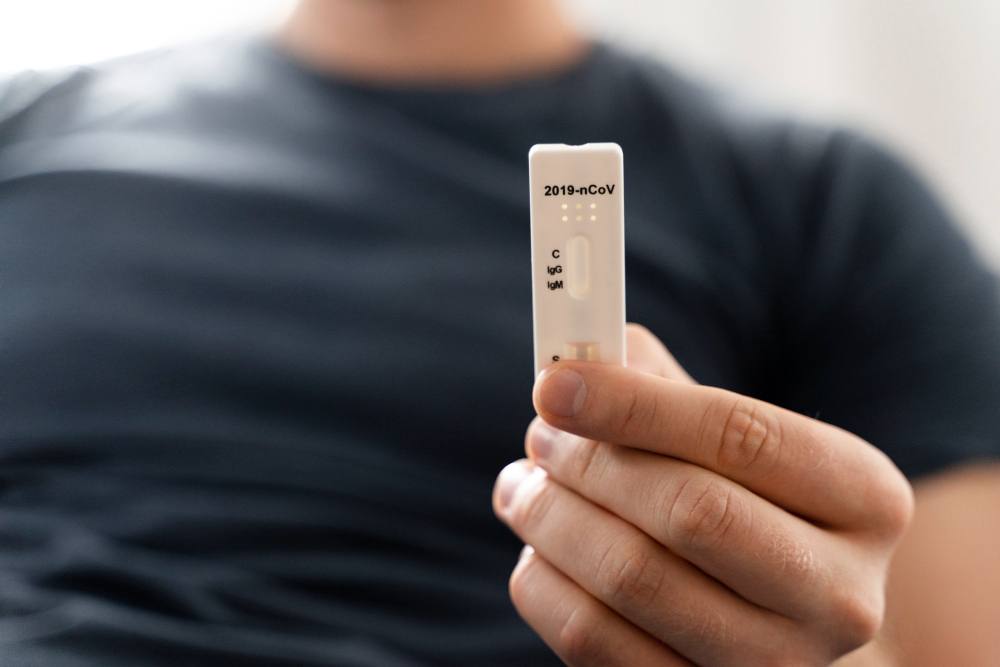
Point-of-care rapid antigen tests detect viral proteins directly from a nasal or throat swab. Results typically appear within 15 to 30 minutes, which makes these tests appealing for busy households and urgent decisions.
Unlike PCR tests, which amplify genetic material in a lab and can detect even small amounts of virus, antigen tests rely on a higher viral load to produce an accurate result. This difference is the main reason false negatives and confirmation protocols go hand in hand with rapid testing.
When Are False Negatives Most Likely?
- Early infection: Viral load may still be building, so the test has less to detect.
- Mild or asymptomatic cases: Lower viral shedding can fall below the test’s detection threshold.
- Improper sample collection: A swab that does not reach enough mucus membrane can affect accuracy.
- Testing too soon after exposure: Waiting at least 24 hours after symptoms begin improves reliability.
Why Confirmation Protocols Matter for Your Family
A single negative result should not always be the final word, particularly when symptoms persist or a vulnerable family member is involved. Confirmation protocols exist to close that gap and protect your household.
If a rapid antigen test is negative but symptoms continue, consider the following steps:
Situation | Recommended Next Step |
Negative test, symptoms present | Retest in 24 to 48 hours |
Negative test, high-risk household member | Confirm with a PCR test |
Repeated negative tests, worsening symptoms | Consult an infectious disease specialist |
Following a clear confirmation protocol gives you confidence in the result and helps prevent unnecessary exposure to others in the home.
When Should You Talk to an Infectious Disease Specialist?
Not every cold or cough requires specialist care, but certain situations call for extra guidance. An infectious disease specialist can help interpret conflicting test results, recommend the right confirmation testing, and guide treatment for elderly parents, newborns, or family members managing chronic illness.
Reaching out to infectious disease doctors in Brooklyn is especially useful if your loved one has underlying health conditions, recently returned from the hospital, or has symptoms that do not match the test result. Infectious disease doctors in Brooklyn familiar with your community can also coordinate follow-up care without requiring a trip to a crowded clinic.
You Do Not Have to Figure This Out Alone
Watching a loved one feel unwell while a test result leaves more questions than answers is stressful. You deserve clear guidance, not guesswork.
Our infectious disease specialists connect families with experienced clinicians who understand point-of-care rapid antigen tests, false negatives, confirmation protocols, and the right next steps for your specific situation. Reach out to us today by calling +1-718-367-2555 or visiting us at 1797 Pitkin Avenue, Brooklyn, NY 1121 to schedule an at-home visit and get answers you can trust.