Pulse volume recording is a painless test that uses small blood pressure cuffs to measure how well blood flows through your arms or legs. As the cuffs inflate and deflate, sensors track subtle volume changes in the limb to reveal blockages or narrowed arteries. A vascular specialist can use these results to catch circulation problems early, before they become serious.
Numbness in your feet. A leg that aches after a short walk. A wound that will not heal. These symptoms can be unsettling, especially when you are not sure what is causing them. Poor circulation is often the hidden culprit, and it does not always announce itself with obvious warning signs.
Pulse volume recording gives doctors a clear, noninvasive way to see what is happening inside your blood vessels. There is no needle, no dye, and no discomfort beyond the gentle squeeze of a blood pressure cuff. If you or your loved one has been referred for this test, understanding how it works can ease some of the uncertainty.
What Is Pulse Volume Recording?
Pulse volume recording, often shortened to PVR, is a diagnostic test that measures blood flow in the arms or legs. It is commonly used to evaluate peripheral artery disease, a condition where narrowed arteries reduce circulation to the limbs.
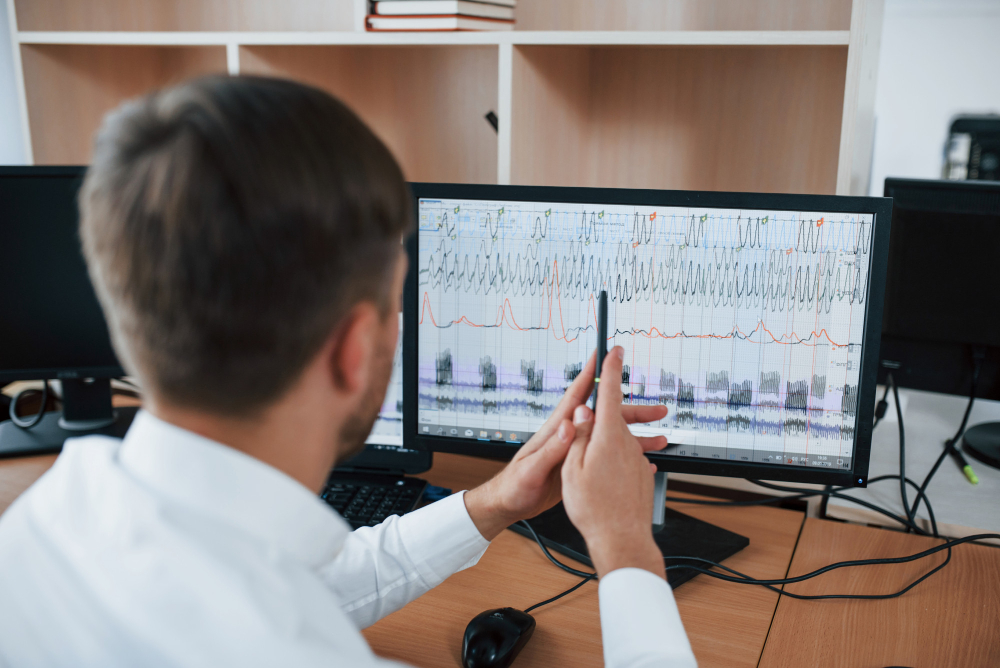
During the test, a technician places cuffs around different points on your arm or leg, such as the thigh, calf, and ankle. Each cuff inflates briefly and then deflates. A sensor records the tiny volume changes that occur in the limb with every heartbeat. These waveforms tell a vascular specialist whether blood is moving freely or struggling to get through.
Why Doctors Rely on This Test
PVR is valued because it is safe, quick, and accessible. Unlike more invasive imaging procedures, it requires no injections or radiation exposure.
It also works well for patients who cannot tolerate other diagnostic tools, including those with kidney concerns or metal implants. For many families, this makes PVR a reassuring first step rather than a source of added stress.
How Cuff Pressure Changes Measure Extremity Perfusion
The science behind how cuff pressure changes measure extremity perfusion is more straightforward than it sounds. Each cuff acts like a sensor-equipped pressure gauge. As it inflates, it briefly restricts blood flow. As it deflates, blood returns to the limb, and the sensor captures the shape and strength of that returning pulse wave.
A healthy artery produces a sharp, well-defined waveform. A narrowed or blocked artery produces a flatter, more delayed wave. By comparing these patterns across different cuff locations, your care team can pinpoint where circulation is being restricted.
What the Results Can Reveal
- Blockage location: Waveform changes at specific cuffs help identify where narrowing begins.
- Severity of restriction: Flatter waveforms often indicate more significant blood flow reduction.
- Treatment direction: Results guide whether you need lifestyle changes, medication, or a referral to a vascular clinic in Brooklyn for further evaluation.
Who Should Consider This Test
You do not need a dramatic symptom to benefit from pulse volume recording. Many patients are referred simply because they have risk factors that make circulation problems more likely.
Common reasons include:
- Diabetes or a family history of vascular disease
- Smoking history
- Leg pain during walking that improves with rest
- Slow-healing wounds on the feet or legs
- A known or suspected diagnosis requiring monitoring by a vascular specialist
If any of this sounds familiar, a conversation with your doctor about PVR testing may bring welcome clarity.
What to Expect During Your Visit
The test itself typically takes less than 30 minutes. You will be asked to lie down while cuffs are placed on your limb and connected to a recording device. There is no need to prepare in advance, and most patients return to normal activities immediately afterward.
Our team at a trusted vascular clinic in Brooklyn walks patients through every step, so nothing feels unfamiliar or intimidating.
Taking the Next Step for Your Circulation Health
Circulation problems rarely resolve on their own. Left unaddressed, they can lead to pain, slow-healing wounds, or more serious complications down the road. Pulse volume recording gives you and your medical team the information needed to act early.
If you have noticed changes in how your legs or feet feel, do not wait for symptoms to worsen. Reach out to our Vascular team today by calling +1-718-367-2555 or visiting us at 1797 Pitkin Avenue, Brooklyn, NY 1121 to schedule a pulse volume recording and take a confident step toward better circulation health.