Transcutaneous oximetry, or TcPO2, measures the amount of oxygen reaching your skin tissue through a small, painless sensor. It helps a vascular specialist determine whether a wound has enough blood flow to heal on its own or whether further treatment is needed. The test is especially valuable for patients with diabetes, slow-healing wounds, or known circulation concerns.
A wound that refuses to close can feel frightening, especially when you are not sure why it is happening. Often, the answer lies beneath the surface, in how much oxygen your skin tissue is actually receiving. Without enough oxygen, even small wounds can linger for months and raise the risk of infection.
Transcutaneous oximetry gives your care team a clear picture of what is happening at the tissue level. There is no needle, no dye, and no recovery time involved. If you or a loved one has been referred for this test, understanding how it works can replace worry with clarity.
What Is Transcutaneous Oximetry?
Transcutaneous oximetry is a noninvasive test that measures the level of oxygen in the tissue just beneath your skin. A small, heated sensor is placed on the skin near the wound or area of concern. The sensor warms the skin slightly, which draws blood to the surface, allowing it to detect how much oxygen is actually reaching that tissue.
This information matters because wounds need a steady oxygen supply to heal. When circulation is poor, tissue cannot repair itself effectively, no matter how carefully a wound is cleaned or dressed.
Why Assessing Skin Oxygen Levels for Wound Healing Matters
Assessing skin oxygen levels for wound healing allows a vascular specialist to understand the root cause of a stalled wound rather than treating the surface alone. Low oxygen readings often point to underlying circulation problems that need to be addressed before healing can move forward.
This insight shapes decisions such as:
- Treatment path: Whether a wound needs advanced dressings, medication, or a referral for vascular evaluation.
- Healing potential: Whether the tissue has enough blood supply to close naturally over time.
- Monitoring progress: Whether treatments already in place are improving circulation.
How the Test Works
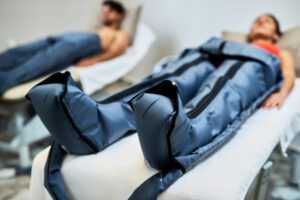
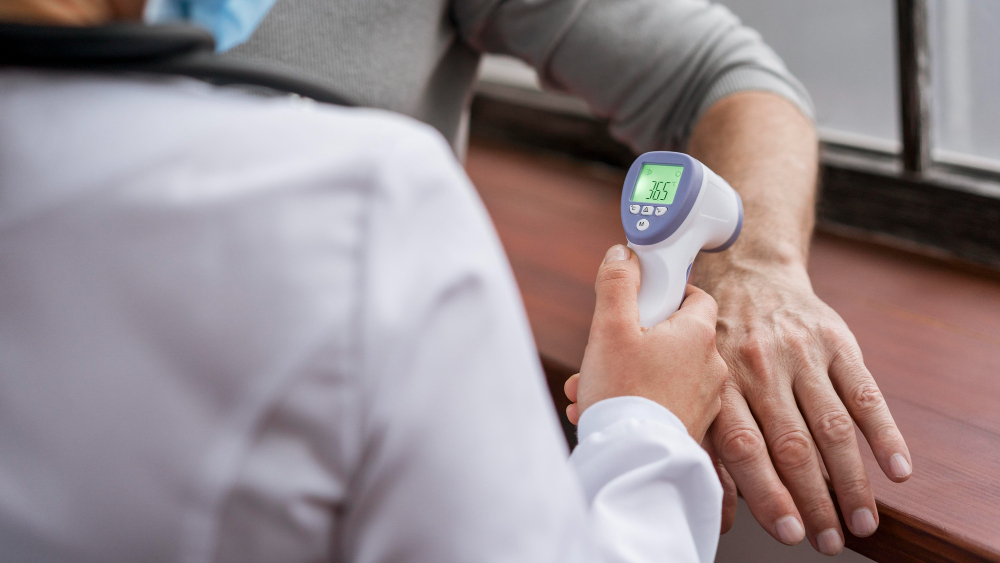
The procedure is simple and typically takes less than an hour. You will lie down comfortably while small sensors are attached near the affected area, often on the leg or foot. The sensors gently warm the skin and record oxygen readings over several minutes.
There is no pain involved, and most patients find the process relaxing rather than stressful. Results are available quickly, giving your vascular specialist the information needed to recommend next steps without unnecessary delay.
Who Should Consider This Test
You do not need a severe wound to benefit from transcutaneous oximetry. Many patients are referred because they have risk factors that make poor healing more likely, including:
- Diabetes or a history of diabetic foot ulcers
- Slow-healing wounds on the legs or feet
- A known diagnosis of peripheral artery disease
- Recent surgery with concerns about circulation at the healing site
- A history of smoking, which can affect blood vessel health
If any of this sounds familiar, speaking with your doctor about TcPO2 testing can bring welcome answers.
What to Expect at Your Visit
Your visit requires no special preparation. You will be asked to rest comfortably while the sensors collect readings, and most patients return to their normal activities right afterward. Our team at a trusted vascular clinic in Brooklyn walks every patient through the process, so nothing feels unfamiliar.
Taking the Next Step Toward Healing
A wound that will not heal is not something to manage alone. Transcutaneous oximetry gives your care team the clarity needed to choose the right path forward, whether that means improving circulation, adjusting treatment, or connecting you with a vascular specialist for further care.
If you or a loved one has a wound that is not improving, do not wait for the situation to worsen. Reach out to our Vascular team today by calling +1-718-367-2555 or visiting us at 1797 Pitkin Avenue, Brooklyn, NY 1121 to schedule a transcutaneous oximetry evaluation and take a confident step toward healing.