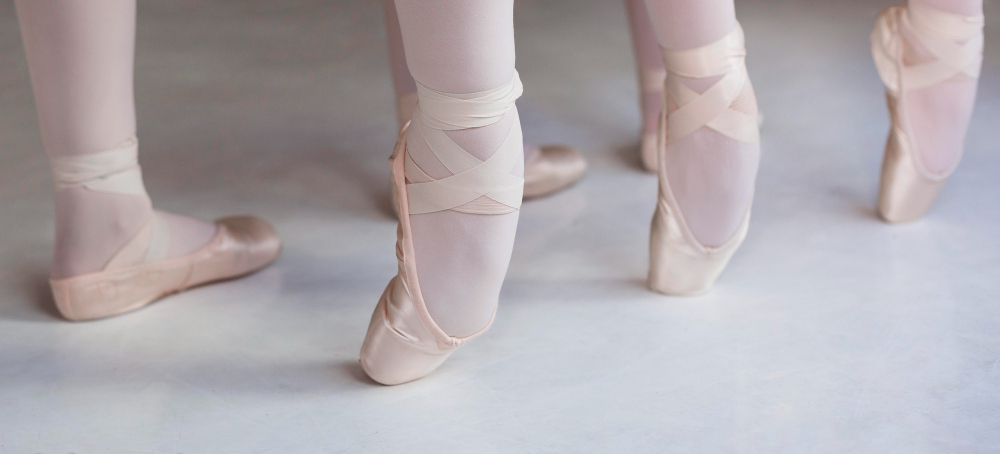
Sesamoiditis in dancers happens when repeated pressure on the ball of the foot irritates the small sesamoid bones beneath the big toe joint. Dancers who spend hours on pointe or demi-pointe are especially prone to this pain. Relief usually starts with unloading the big toe joint through padding, taping, footwear changes, and rest, paired with guidance from a podiatrist.
If you dance, you already know how much pressure travels through the ball of your foot with every releve, jump, and landing. When pain settles in right under your big toe and will not go away, it can feel like it is standing between you and the studio. You are not imagining it, and you are not alone. This kind of pain often has a name: sesamoiditis. Understanding what is happening in your foot is the first step toward moving through your day and your practice with less discomfort.
What Is Sesamoiditis and Why Does It Affect Dancers?
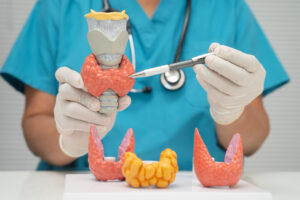
Sesamoiditis is inflammation of the two small sesamoid bones located beneath the big toe joint. These bones act like tiny pulleys, helping your tendons glide smoothly as you push off the ground. Dancers place enormous, repeated stress on this area, especially those who train in pointe or demi-pointe positions. Over time, that stress can inflame the sesamoids and the surrounding tissue, leading to persistent pain right where you need stability the most.
Common Symptoms to Watch For
You may be dealing with sesamoiditis if you notice:
- Pain under the big toe joint that builds gradually rather than starting from a single injury.
- Swelling or tenderness in the ball of the foot.
- Difficulty bearing weight on the affected foot, especially during releve or jumps.
- Pain that worsens with continued dancing and eases somewhat with rest.
If these symptoms sound familiar, your body is telling you something worth listening to.
How to Unload the Big Toe Joint for Lasting Relief
Learning how to unload the big toe joint is central to recovering from sesamoiditis in dancers. The goal is simple: reduce direct pressure on the sesamoid bones, so they have a chance to heal.
Helpful strategies include:
- Padding and cushioning: Metatarsal pads or dancer’s pads redirect pressure away from the sesamoids.
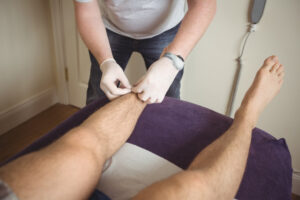
- Taping techniques: Specific taping methods can limit big toe extension and reduce strain during movement.
- Footwear adjustments: Supportive shoes with a stiffer sole outside of rehearsal hours give the joint a break.
- Activity modification: Temporarily reducing pointe work or high-impact movement allows inflammation to settle.
These changes rarely fix the problem alone. Pairing them with professional guidance gives you the best chance at a full recovery.
When to See a Podiatrist
If your pain lingers beyond a week or two, or if it is affecting your ability to train, it is time to see a podiatrist. A podiatrist can confirm the diagnosis, rule out a stress fracture, and build a treatment plan suited to your body and your dance schedule. This might include custom orthotics, physical therapy, or, in more stubborn cases, a short period of immobilization.
You Do Not Have to Push Through the Pain
Sesamoiditis can feel discouraging, especially when dance is such a central part of your life. But relief is possible once the big toe joint is properly unloaded and given room to heal. Our podiatry team is here to help you get back to the studio with confidence, not caution. Reach out to us today by calling +1-718-367-2555 or visiting us at 1797 Pitkin Avenue, Brooklyn, NY 1121 to schedule an evaluation and take the next step toward pain-free movement.