Your child wakes up with a rash, a low fever, and red eyes. Your heart sinks a little. Most rashes in children are harmless and clear up on their own. But sometimes, a rash is a signal you should not ignore.
The Zika Virus can look like an ordinary childhood illness at first. That is what makes it tricky for parents. Knowing the difference between a common rash and a warning sign helps you act quickly. And when symptoms overlap, diagnostic testing gives you the clear answers you need.
This guide walks you through the red flags, when to worry, and how doctors confirm a Zika diagnosis. You are not alone in sorting this out.
What the Zika Virus Looks Like in Children
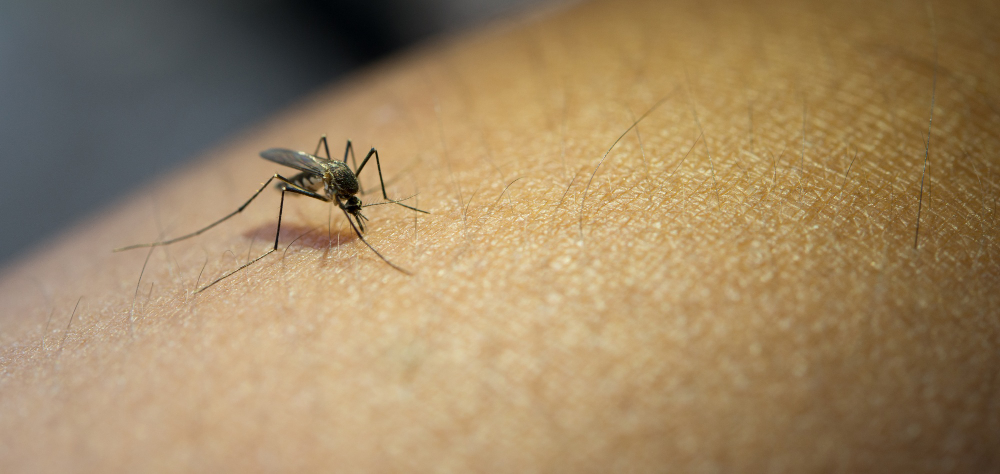
Zika spreads mostly through mosquito bites. In children, symptoms are often mild, which is why they get missed. Some kids show no signs at all.
When symptoms do appear, they usually include:
- A pink or red rash that may start on the face and spread to the body.
- A mild fever that comes and goes.
- Red, irritated eyes without heavy discharge.
- Joint pain or fussiness, especially in younger children.
- Headache and tiredness that linger for days.
Most cases pass within a week. Still, symptoms alone rarely tell the full story. A caring pediatric team can help you tell the difference and decide next steps. If you are unsure, our pediatric care team can guide you through what to watch for.
The Red Flags You Should Not Ignore
A simple rash is one thing. Certain signs, however, call for prompt medical attention.
Watch closely and seek care if your child has:
- A high fever that will not break
- Severe headache with a stiff neck
- Trouble staying awake or unusual drowsiness
- Weakness in the arms or legs
- Recent travel to an area with active Zika transmission
These symptoms can point to complications that need expert eyes. In rare cases, Zika has been linked to neurological problems, which is why early attention matters.
How Diagnostic Testing Confirms Zika
Guessing is stressful. Testing removes the guesswork.
Because Zika mimics other illnesses like dengue and chikungunya, doctors rely on diagnostic tests to confirm what is really happening. These tests protect your child by ruling out more serious infections.
Common Diagnostic Tests
- Blood tests that detect the virus or the antibodies your child’s body makes to fight it.
- Urine tests, which can identify Zika for a slightly longer window after infection.
- PCR testing, which looks for the virus’s genetic material during the first days of illness.
An infectious disease doctor often oversees this process to make sure the right test is used at the right time. Timing matters, and a specialist in infectious diseases knows exactly which method fits your child’s situation.
The result is peace of mind. Once diagnostic testing confirms or rules out Zika, your care team can build a clear recovery plan.
When to See a Specialist
Trust your instincts. If a rash comes with warning signs or your child recently traveled abroad, do not wait.
An infectious disease doctor can interpret test results, monitor for complications, and reassure you every step of the way. This is especially important for infants and children with existing health concerns.
Your Next Step Toward Answers
A rash does not have to keep you up at night. With the right diagnostic tests and expert guidance, you can move from worry to clarity quickly.
Our specialist in infectious diseases is ready to evaluate your child, confirm a diagnosis, and support your family with compassionate care. Reach out today to schedule an infectious disease appointment by calling + 1-718-367-2555 or visiting us at 1797 Pitkin Avenue, Brooklyn, NY 11212 to get the compassionate, expert support your family deserves.