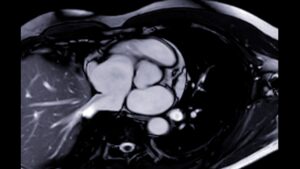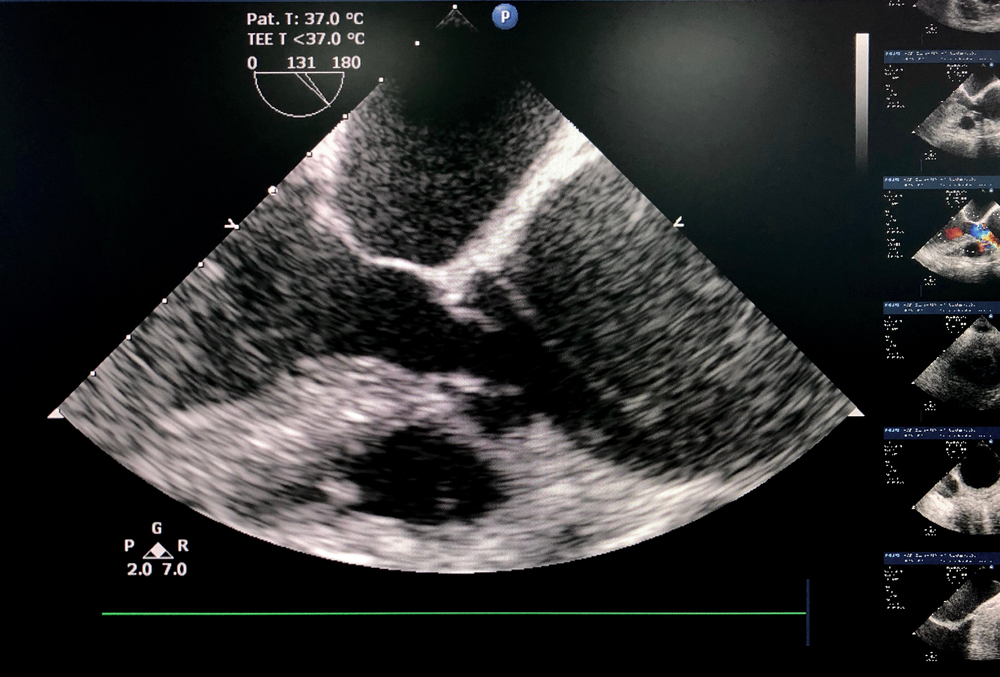
A transesophageal echo (TEE) uses a thin probe guided down your throat to capture close-up images of your heart. Throat numbing is essential before the probe because it blocks your gag reflex and eases discomfort, allowing your cardiologist to complete the test safely and get clear results.
Hearing that your cardiologist wants to look at your heart from the inside can feel unsettling. A transesophageal echo, often shortened to TEE, involves guiding a small probe down your esophagus to capture detailed images your heart cannot reveal through a standard echocardiogram. Naturally, you may wonder how a probe can pass comfortably through your throat at all.
This is where throat numbing comes in. Before the probe is ever introduced, your care team takes deliberate steps to make sure your throat is numb and ready. Understanding why this step matters can ease your nerves and help you feel prepared for what is ahead.
What Is a Transesophageal Echo?
A transesophageal echo is a specialized ultrasound test. Instead of placing a wand on your chest like a standard echocardiogram, your cardiologist passes a thin, flexible probe through your mouth and down your esophagus. Because the esophagus sits directly behind the heart, this approach produces sharper, more detailed images of your heart’s valves and chambers.
Your cardiologist may recommend this test when standard imaging is not detailed enough, such as when checking for blood clots, infections on heart valves, or structural issues that require a closer look.
Why Throat Numbing Is Essential Before the Probe
Your throat is lined with sensitive nerves designed to protect your airway. The moment something touches the back of your throat, your body’s natural gag reflex kicks in. Without numbing, passing a probe through this area would be uncomfortable and difficult, and it could make the procedure longer and more stressful than it needs to be.
Numbing medication, usually sprayed or applied as a gel, temporarily blocks those nerve signals. This allows the probe to pass through your throat with far less resistance and discomfort.
How Throat Numbing Improves the Procedure
Throat numbing serves a few important purposes during your TEE:
- Comfort. Numbing significantly reduces the gagging and discomfort that would otherwise occur when the probe passes through your throat.
- Safety. A calmer, more controlled swallow lowers the risk of complications during probe placement.
- Accuracy. When you are relaxed and still, your cardiologist can capture clearer images, which leads to a more reliable diagnosis.
You are not expected to push through discomfort. Numbing is a standard, well-established part of this procedure, used specifically to protect your comfort and support an accurate result.
What to Expect During Throat Numbing
Before your procedure begins, your care team will typically spray a numbing agent at the back of your throat. You may also receive a sedative to help you relax further. Within a few minutes, you should notice a thick, heavy sensation in your throat, which signals that the numbing has taken effect.
Many patients describe this sensation as unusual rather than painful. Your cardiologist will check that you are sufficiently numb before moving forward, so you are never rushed into the next step.
Finding Support at a Cardiology Clinic in Brooklyn
If your cardiologist recommends a TEE, choosing the right setting matters. A cardiology clinic in Brooklyn that performs these tests regularly can offer the experience and reassurance you deserve, from preparation through recovery.
Your care team should walk you through every step, including what throat numbing will feel like and how long recovery typically takes. Feeling informed ahead of time can make the entire experience far less intimidating.
Talk to Your Cardiologist Today
Knowing why throat numbing is essential before the probe can turn an intimidating procedure into a manageable one. You deserve a care team that explains each step clearly and prioritizes your comfort throughout. If you have questions about an upcoming transesophageal echo, reach out to our Cardiology team today by calling +1-718-367-2555 or visiting us at 1797 Pitkin Avenue, Brooklyn, NY 1121 to schedule a consultation.