A cardiac MRI with gadolinium is one of the most detailed ways to look inside the heart. Unlike an echocardiogram or standard EKG, this scan can reveal scarring in the heart muscle that often goes unnoticed until it causes real problems. Finding hidden heart muscle scarring matters because untreated scar tissue can raise your risk of arrhythmias, heart failure, and other complications down the road.
If your cardiologist has recommended this test, you likely have questions about why it is necessary and what the results might mean for your treatment plan. This guide walks through how the scan works, who typically needs it, and what you can expect from the appointment itself.
What Is a Cardiac MRI with Gadolinium?
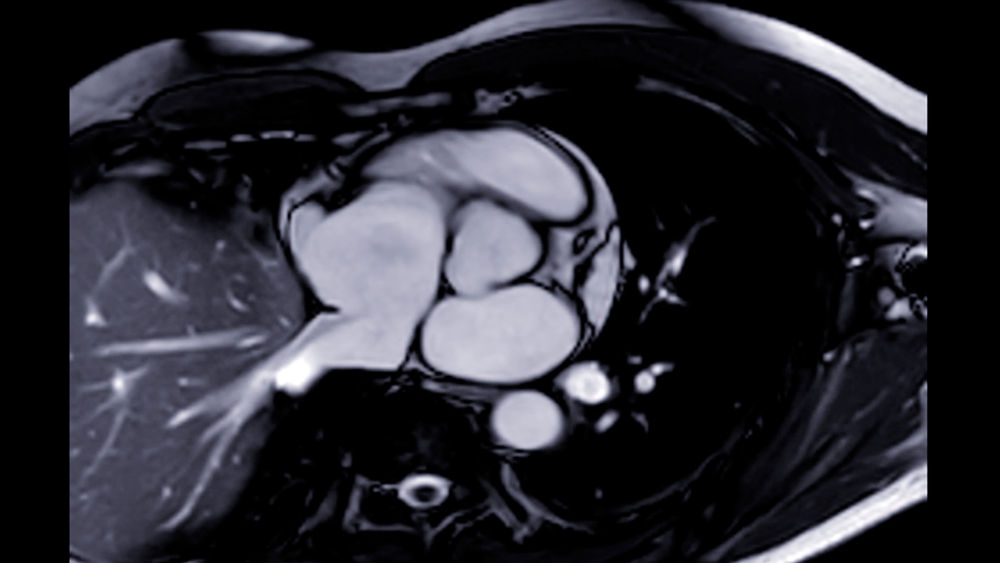
A cardiac MRI uses magnetic fields and radio waves to create detailed images of your heart’s structure and function. Adding gadolinium, a contrast agent injected into your bloodstream, allows the scan to highlight areas of damaged or scarred tissue that would otherwise blend in with healthy muscle.
How the Contrast Agent Reveals Scar Tissue
Gadolinium behaves differently in healthy heart tissue than it does in scarred or damaged areas. Scarred tissue retains the contrast agent longer, which makes it appear brighter on a technique called late gadolinium enhancement, or LGE. This bright signal gives your cardiologist a clear picture of exactly where scarring has occurred and how extensive it is.
Why Finding Hidden Heart Muscle Scarring Matters
Heart muscle scarring does not always cause symptoms right away. Many people live for years without realizing that a past heart attack, inflammation, or untreated condition has left permanent marks on their heart tissue.
Left unaddressed, scar tissue can interfere with the heart’s electrical signals and pumping ability. This raises the risk of:
- Arrhythmias. Scar tissue can disrupt the heart’s normal rhythm, increasing the chance of dangerous irregular heartbeats.
- Heart failure. Extensive scarring can weaken the heart’s ability to pump blood effectively over time.
- Missed diagnoses. Conditions like myocarditis or prior silent heart attacks can go undiagnosed without imaging that specifically targets scar tissue.
A cardiac MRI with gadolinium gives your care team the information needed to catch these issues early, often before symptoms become severe.
When Might a Cardiologist Recommend This Scan?
Not everyone needs this type of imaging. A cardiologist typically recommends a cardiac MRI with gadolinium when other tests raise questions that need further answers, such as:
- Unexplained chest pain or shortness of breath
- A prior heart attack with unclear extent of damage
- Suspected myocarditis or other inflammatory heart conditions
- Abnormal findings on an echocardiogram or EKG
- Family history of cardiomyopathy
If any of these apply to you, your cardiologist may order this scan to get a clearer view of your heart’s condition before deciding on next steps.
What to Expect at a Cardiology Clinic in Brooklyn
Scheduling this scan at a cardiology clinic in Brooklyn typically involves a short consultation first, where your cardiologist reviews your symptoms and medical history. On the day of the scan, you will receive the gadolinium contrast through an IV, then lie still inside the MRI machine for about 45 to 60 minutes while images are captured.
Most patients tolerate the procedure well, with only mild discomfort from the IV placement. Once your scan is complete, your cardiologist will review the images and discuss findings with you during a follow-up visit, including any next steps for treatment or monitoring.
Talk to Your Cardiologist About Next Steps
Hidden heart muscle scarring does not have to stay hidden. A cardiac MRI with gadolinium gives your cardiologist the clarity needed to protect your heart health and guide the right treatment plan going forward. If you have been experiencing unexplained symptoms or have a history that puts you at higher risk, reach out by calling +1-718-367-2555 or visiting us at 1797 Pitkin Avenue, Brooklyn, NY 1121 to schedule a consultation with our Cardiology team and get the answers you deserve.