Venous stasis ulcers form when weakened leg veins allow blood to pool near the ankle, raising pressure in the skin until it breaks down and weeps fluid. These wounds heal slowly because the underlying circulation problem, not just the skin, needs treatment. A vascular specialist can address the root cause and help the wound close for good.
Watching a loved one’s ankle wound linger for weeks, or even months, is frightening. You clean it, bandage it, and it still won’t close. If this sounds familiar, your family member may be dealing with a venous stasis ulcer, one of the most common causes of chronic leg wounds in older adults.
This guide explains why these wounds keep weeping, what treatment actually looks like, and when it’s time to see a vascular specialist.
What Causes Venous Stasis Ulcers?
Your veins rely on tiny one-way valves to push blood back up toward the heart. When those valves weaken, blood pools in the lower legs instead of moving forward. This condition, called venous insufficiency, raises pressure inside the small blood vessels near the skin’s surface.
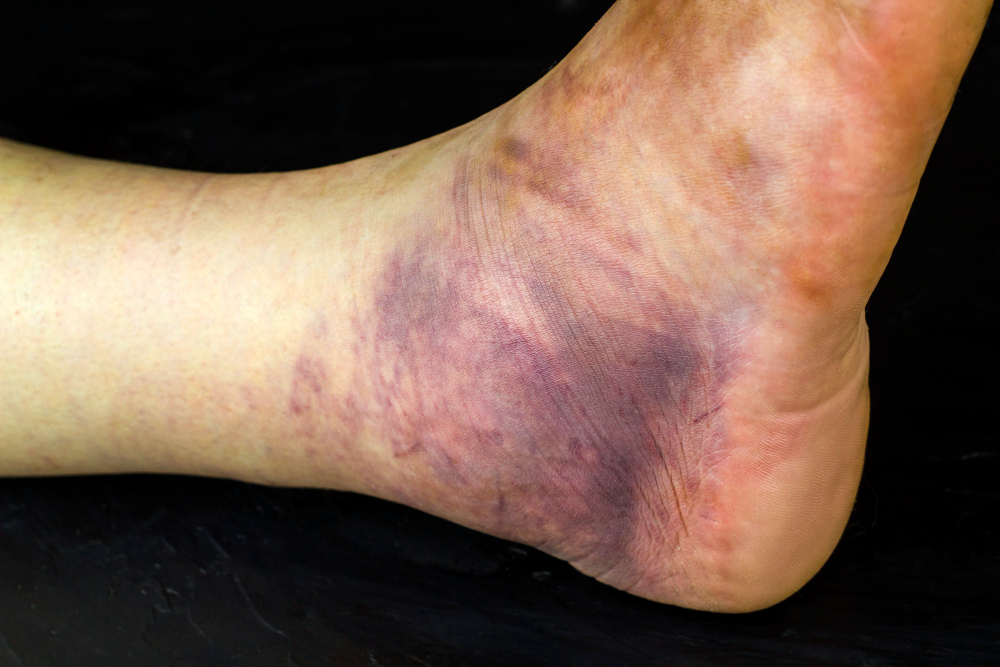
Over time, that pressure damages the skin around the ankle. The tissue becomes fragile, swollen, and discolored. Eventually, it breaks open into a sore that drains fluid and resists healing.
Common Risk Factors
- Standing or sitting for long periods: Jobs or routines that limit movement allow blood to pool in the legs.
- A history of blood clots: Previous clots can damage vein valves permanently.
- Obesity: Extra weight puts added pressure on leg veins.
- Age: Vein walls and valves naturally weaken over time.
- Family history: Venous disease often runs in families.
Why Do These Wounds Keep Weeping?
A venous stasis ulcer weeps because fluid continually leaks from the surrounding tissue under pressure. Bandaging the wound alone will not stop this. Until the underlying vein problem improves, fluid keeps escaping, and the skin struggles to rebuild itself.
This is the part families often misunderstand. The wound is a symptom, not the disease itself. Treating only the skin, without addressing circulation, usually leads to the same ulcer returning again and again.
How Are Venous Stasis Ulcers Treated?
Effective treatment combines wound care with vein-focused therapy. A vascular specialist will typically recommend a combination of the following:
- Compression therapy: Specialized wraps or stockings reduce swelling and improve blood flow back to the heart.
- Wound dressings: Medical-grade dressings keep the area clean and support new tissue growth.
- Leg elevation: Raising the legs above heart level for part of the day reduces fluid buildup.
- Vein procedures: Minimally invasive treatments can close off damaged veins and reroute blood flow through healthier ones.
- Infection control: Antibiotics may be needed if the wound shows signs of infection.
When Should You See a Vascular Specialist?
You should not wait for a wound to “heal on its own” if it has not improved within a few weeks. A vascular specialist can evaluate the health of the veins themselves, not just the surface wound, and recommend the right combination of care.
Warning signs that call for prompt evaluation include:
- The wound has lasted longer than four weeks
- Increasing redness, warmth, or odor
- Fever or chills
- Growing pain or swelling
Finding Trusted Care Close to Home
You do not have to manage this alone. A vascular clinic in Brooklyn can offer the specialized evaluation and ongoing support your family needs, from diagnosis through full recovery. Our Vascular Care Department works closely with families to build a care plan that fits your loved one’s daily life, not just their diagnosis.
If a wound has been weeping for weeks with no sign of improvement, reach out to our Vascular team today by calling +1-718-367-2555 or visiting us at 1797 Pitkin Avenue, Brooklyn, NY 1121 to schedule a consultation. Our team is ready to help your family find relief and healing.