A carotid duplex ultrasound measures blood flow and artery wall thickness in the neck to check for plaque buildup. The results, often reported as carotid intima-media thickness, help a vascular specialist determine your stroke risk and whether treatment is needed. Numbers alone do not tell the whole story. A trained specialist interprets them alongside your health history.
Getting a letter in the mail with ultrasound results and unfamiliar numbers can feel unsettling. You see a measurement, maybe a reference range, and no real explanation of what it means for your health. If your doctor recommended a carotid duplex ultrasound, you are probably wondering what those plaque thickness numbers actually mean for you or your loved one.
This guide breaks down what the test measures, how to read the results, and when it is time to talk to a vascular specialist about next steps.
What Is a Carotid Duplex Ultrasound?
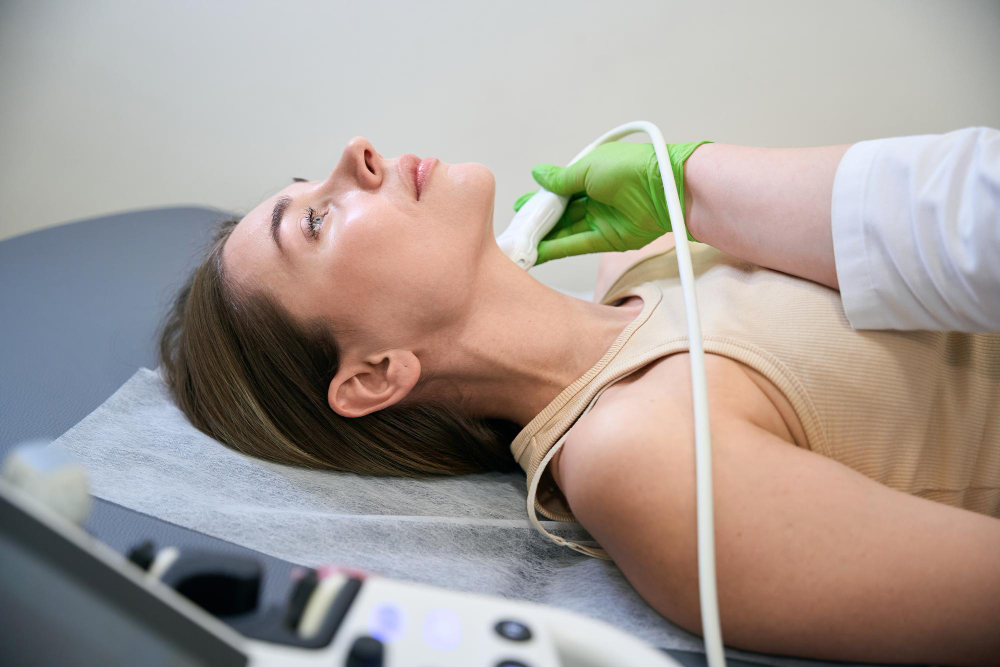
A carotid duplex ultrasound is a painless imaging test that looks at the carotid arteries, the two main blood vessels in your neck that carry blood to your brain. It uses sound waves to create a picture of the artery walls and measure how fast blood is moving through them.
This test does two things at once. It shows whether plaque has built up inside the artery, and it measures how well blood is flowing past any buildup. Doctors rely on this combination to assess stroke risk long before symptoms appear.
Why Doctors Order This Test
Your doctor may recommend a carotid duplex ultrasound if you have:
- A history of high blood pressure or cholesterol: Both conditions contribute to plaque buildup over time.
- A family history of stroke or heart disease: Genetics can increase your risk even with a healthy lifestyle.
- Symptoms like dizziness or vision changes: These can signal reduced blood flow to the brain.
- A whooshing sound heard through a stethoscope: Known as a bruit, this noise can indicate narrowed arteries.
What Plaque Thickness Numbers Actually Mean
This is the part that confuses most patients. Your results will likely include a measurement called carotid intima-media thickness, or CIMT. This number reflects the thickness of the two innermost layers of your artery wall, measured in millimeters.
Generally, a CIMT under 0.9 millimeters is considered within a normal range for most adults, though acceptable ranges can shift based on age and sex. A thicker measurement does not automatically mean a blockage is present. It often signals early changes in the artery wall that are worth monitoring.
How Specialists Interpret the Results
A vascular specialist looks at more than just the raw number. They also consider:
- Percentage of narrowing: This shows how much the plaque is restricting blood flow, not just how thick the artery wall is.
- Plaque texture and stability: Smooth, stable plaque carries a different risk than irregular or ulcerated plaque.
- Your overall risk profile: Age, blood pressure, cholesterol levels, and smoking history all shape what a given measurement means for you.
Choose follow-up imaging if your plaque thickness is borderline and your doctor wants to track changes over time. Choose a more detailed evaluation, such as a CT angiogram, if narrowing exceeds a certain threshold or symptoms are present.
When Should You See a Vascular Specialist?
You should not wait for symptoms to worsen before scheduling a follow-up. Early evaluation gives you more options and better outcomes.
Reach out to a vascular specialist if your results show:
- Narrowing greater than 50 percent in either carotid artery
- A rapid increase in plaque thickness since your last scan
- New symptoms like slurred speech, facial drooping, or sudden weakness
Getting Clear Answers Close to Home
You do not have to interpret these results on your own. A vascular clinic in Brooklyn can walk you through your specific numbers, explain what they mean for your health, and build a plan that fits your life, not just your chart.
Our Vascular team works directly with patients and families to turn confusing test results into clear next steps. If you or a loved one recently received carotid duplex ultrasound results, reach out to us today by calling +1-718-367-2555 or visiting us at 1797 Pitkin Avenue, Brooklyn, NY 1121 to schedule a conversation.