Venous reflux studies use ultrasound to check whether the valves inside your leg veins are closing properly. When valves leak, blood flows backward instead of moving up toward the heart, causing swelling, aching, and visible varicose veins. A vascular specialist uses these results to pinpoint exactly which valves are affected and recommend the right treatment path.
If your legs ache by the end of the day or you have noticed swelling that was not there before, you are not alone. Many people chalk these symptoms up to being on their feet too long or simply getting older. But persistent leg discomfort, especially paired with visible veins or skin changes, often points to something more specific: faulty valves inside the veins themselves. Venous reflux studies give your doctor a clear picture of what is happening beneath the surface, so you do not have to keep guessing.
This guide walks through what these studies measure, what the results mean, and when it may be time to talk with a vascular specialist.
What Are Venous Reflux Studies?
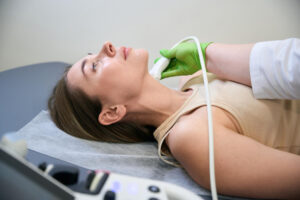
Venous reflux studies are non-invasive ultrasound exams that evaluate how well blood moves through the veins in your legs. Healthy veins rely on small one-way valves to keep blood flowing upward, against gravity, back toward the heart. When those valves weaken or fail to close completely, blood pools or flows backward. This backward flow is called venous reflux.
During the test, a technician applies gel to your leg and uses a handheld ultrasound probe to track blood flow in real time. You may be asked to stand or apply gentle pressure to your calf, since reflux is easier to detect when blood is actively moving through the vein.
Why Your Doctor May Order This Test
You might be referred for venous reflux studies if you have:
- Visible varicose or spider veins: Bulging or discolored veins are often the first visible sign of valve failure.
- Chronic leg swelling or heaviness: Especially swelling that worsens throughout the day and improves overnight.
- Skin changes near the ankles: Discoloration, dryness, or thickening skin can signal long-term circulation problems.
- A family history of venous disease: Weak vein valves can run in families, even when lifestyle factors are not a major contributor.
Pinpointing Leaky Valves in Leg Circulation: What the Results Show
Results from venous reflux studies identify exactly where reflux is occurring, which matters because not all leaky valves are equally urgent. The study measures how long blood flows backward after a muscle contraction, a value known as reflux time. Generally, a reflux time beyond half a second suggests a valve is not functioning as it should.
How a Vascular Specialist Interprets These Findings
A vascular specialist looks beyond the raw numbers to understand your full picture, including:
- Which veins are affected: Superficial veins near the skin behave differently than deeper veins, and treatment options vary accordingly.
- Severity of reflux: Mild reflux may only need monitoring and lifestyle adjustments, while more significant reflux often benefits from targeted treatment.
- Your symptoms and daily impact: Two people with similar scans can have very different treatment needs depending on pain, swelling, and skin health.
Choose compression therapy and lifestyle changes if reflux is mild and symptoms are manageable. Choose a more direct intervention, such as vein ablation, if reflux is significant or skin changes are progressing.
When Should You Talk to a Vascular Specialist?
You do not need to wait until symptoms become severe. Early evaluation often means simpler, less invasive treatment. Consider reaching out if you notice:
- Swelling that does not improve with rest or elevation
- Skin discoloration or sores near the ankle
- Veins that are increasingly painful, warm, or tender to the touch
Getting Answers Close to Home
You should not have to decode ultrasound results on your own, and you should not have to watch a loved one struggle with unexplained leg pain without a clear next step. A vascular clinic in Brooklyn can review your venous reflux studies, explain what the findings mean for you or your family member, and build a care plan around your specific needs.
Our Vascular team works closely with patients and families to turn uncertain test results into a clear, manageable plan. If you or a loved one are dealing with leg swelling, visible veins, or ongoing discomfort, reach out to us today by calling +1-718-367-2555 or visiting us at 1797 Pitkin Avenue, Brooklyn, NY 1121 to schedule a consultation.